A year ago, WWDC 2025 introduced the Liquid Glass design language, unified software version numbering and an expanded vision for Apple Intelligence. However, many of the headline AI features Apple showcased arrived later than expected or rolled out gradually over the following months. WWDC 2026 felt like Apple’s answer to those concerns. Rather than focusing on visual changes, the company spent most of its keynote demonstrating a rebuilt AI foundation designed to power Siri, search, productivity tools and system-wide intelligence across its ecosystem.
Apple shifts the spotlight from design to intelligence
The overall tone of this year’s conference was noticeably different from recent WWDC events. Instead of dedicating large segments to individual operating systems, Apple organized much of its presentation around artificial intelligence, automation and personalization.
AI was present in nearly every major announcement. From Siri and Safari to Photos and Shortcuts, Apple’s message was clear: intelligence is becoming the layer that connects every product and service across its ecosystem.
This represents a significant evolution from WWDC 2025, where Apple Intelligence was introduced primarily through writing tools, image generation features, notification summaries and ChatGPT integrations. In 2026, Apple moved beyond isolated AI features and presented a much broader vision for how intelligence will shape everyday computing.
Siri receives its biggest upgrade in years
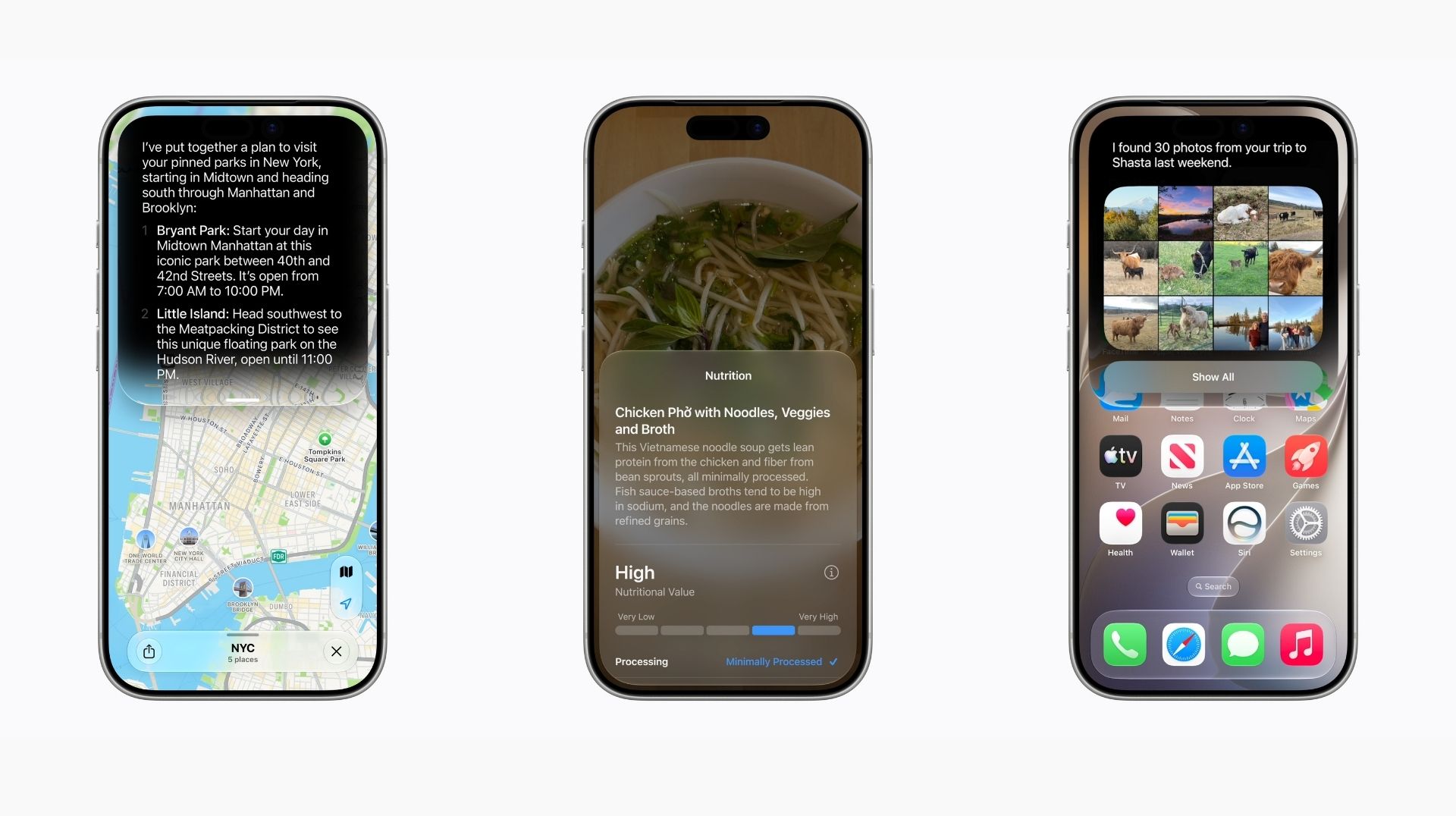 The centerpiece of WWDC 2026 was undoubtedly Siri.
After years of criticism regarding its limitations compared to ChatGPT, Gemini and other AI assistants, Apple unveiled what many observers see as the company’s most ambitious Siri overhaul to date. The new Siri gains conversational memory, deeper contextual awareness, stronger understanding of on-screen content and the ability to complete more advanced multi-step tasks.
Apple also introduced a dedicated Siri experience across iPhone, iPad and Mac, positioning the assistant as the primary interface for Apple Intelligence.
The announcement carries additional significance because a more personalized Siri was one of the most anticipated Apple Intelligence features following WWDC 2025. Many users viewed this year’s keynote as Apple finally delivering on promises made during the early stages of its AI strategy.
AI spreads across Apple’s core applications
Beyond Siri, Apple expanded artificial intelligence capabilities across many of its most important apps and services.
Safari now offers AI-assisted tab organization and smarter browsing workflows. Calendar, Reminders and Messages receive more intelligent recommendations and automation features. Photos gains enhanced editing capabilities powered by machine learning, while Home and Maps become more proactive in anticipating user needs.
Apple also showcased improvements to Shortcuts, allowing users to create complex automations using natural language rather than manually building workflows step by step.
The company’s broader goal appears to be reducing friction across everyday tasks while keeping users inside Apple’s ecosystem.
Liquid Glass evolves after a year of feedback
Although AI dominated the keynote, Apple did not ignore software design.
Liquid Glass, introduced at WWDC 2025 as Apple’s largest visual redesign since iOS 7, returns with several refinements based on user and developer feedback.
One of the most notable additions is a transparency control that allows users to adjust how pronounced the Liquid Glass effect appears throughout the operating system. Apple also improved interface consistency, window styling and navigation elements across its platforms.
Rather than abandoning the design language introduced last year, Apple appears committed to refining it while making it more flexible and practical.
macOS Golden Gate closes the Intel chapter
Apple also unveiled macOS 27 Golden Gate, the latest version of its desktop operating system.
The update introduces a rebuilt search experience, deeper Siri integration, AI-powered Spotlight capabilities and new productivity tools designed to streamline workflows across the Mac platform.
Users will be able to search, compare documents, generate shortcuts and perform system actions using natural language commands.
Perhaps more importantly, Golden Gate marks the end of Intel support on the Mac. With this release, Apple fully transitions to Apple Silicon, completing a journey that began with the launch of the M1 chip in 2020.
Privacy remains central to Apple’s AI strategy
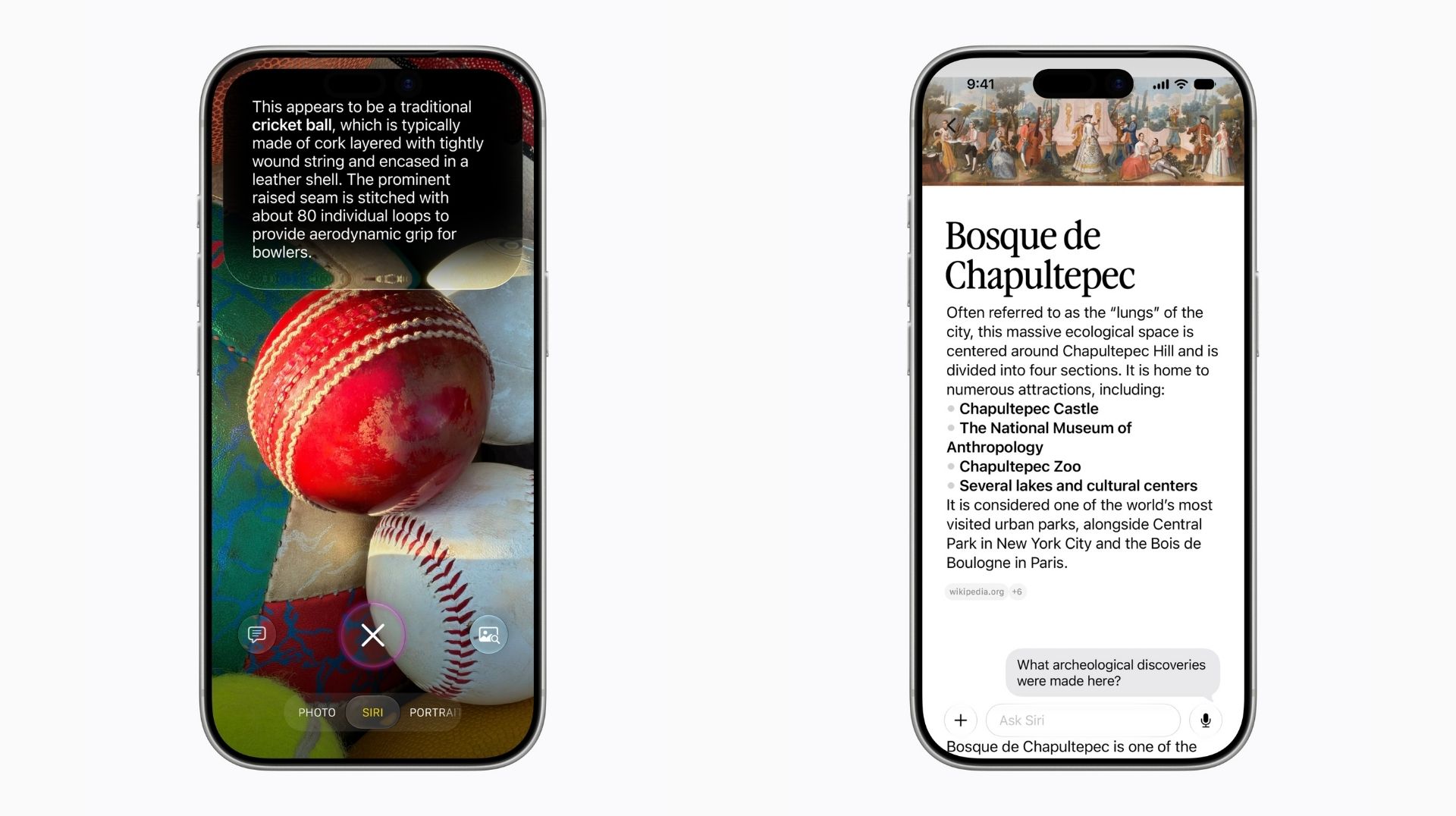 While competitors continue to emphasize increasingly powerful cloud-based AI systems, Apple once again highlighted privacy as a core differentiator.
The company stressed that many Apple Intelligence features continue to rely heavily on on-device processing whenever possible. For more demanding tasks, Apple’s Private Cloud Compute infrastructure is designed to provide additional processing power without sacrificing user privacy.
This approach remains one of the key distinctions between Apple’s AI strategy and those of rivals such as OpenAI, Google and Microsoft.
How WWDC 2026 compares to WWDC 2025
The difference between the two conferences is difficult to ignore.
WWDC 2025 focused on introducing a new visual identity, launching Apple Intelligence and presenting a long-term roadmap for AI-powered experiences. While ambitious, many of the features showcased at the time required months of additional development before reaching users.
WWDC 2026 was focused much more heavily on execution.
Rather than unveiling another sweeping vision, Apple spent most of its keynote demonstrating practical AI capabilities that are either arriving soon or already integrated into its software platforms. Siri became smarter, search became more useful and everyday workflows became more automated.
If WWDC 2025 was about building expectations, WWDC 2026 was about delivering results.
What Apple didn’t announce
As expected, the keynote did not include major hardware announcements.
Rumors surrounding foldable devices, new AI-focused hardware categories and other future products remained unaddressed during the presentation. Apple instead concentrated almost entirely on software, artificial intelligence and platform integration.
Questions also remain about how Siri and Apple Intelligence will perform against competing AI systems in real-world usage. While Apple demonstrated substantial progress, broader adoption will ultimately determine whether the company has successfully closed the gap with industry leaders.
Apple’s AI strategy enters a new phase
WWDC 2026 may ultimately be remembered as the moment Apple fully repositioned itself around artificial intelligence.
Rather than treating AI as a collection of standalone features, the company presented intelligence as the foundation of its future software experience. Siri became the centerpiece of that strategy, supported by smarter search, more capable applications and deeper automation throughout the ecosystem.
One year after introducing Apple Intelligence, Apple’s challenge was no longer convincing people that it had an AI roadmap. The challenge was demonstrating that the roadmap could translate into meaningful products and experiences.
WWDC 2026 was the company’s strongest attempt yet to prove exactly that.
See the full event below.