The advance of artificial intelligence (AI) has reshaped the landscapes of many life spheres. Photography is no exception. The combination of AI and photography integrated technology into art. It helped creators redefine the approaches for capturing, editing, and customizing visual content. This integration lets photographers automate routine tasks and push the boundaries of their creative expression.
The importance of AI in photography lies in its ability to democratize high-quality image creation. Advanced creative tools are now accessible to photographers of all skill levels. Knowing how to integrate cyber brains into your photography workflow provides insight into the future of digital art and the endless possibilities it holds.
What is AI Photography?
AI photography involves using artificial intelligence to create, enhance, or edit images. This technology leverages machine learning algorithms and neural networks to analyze and manipulate visual data. This approach results in aesthetically pleasing and technologically superior visuals, surpassing what traditional photography methods can achieve. The process behind AI photography consists of several key steps:
- Data collection: Artificial intelligence systems need extensive data to learn effectively. For photography, this data includes thousands or even millions of images for the machine to identify and process various visual elements like color, texture, and composition.
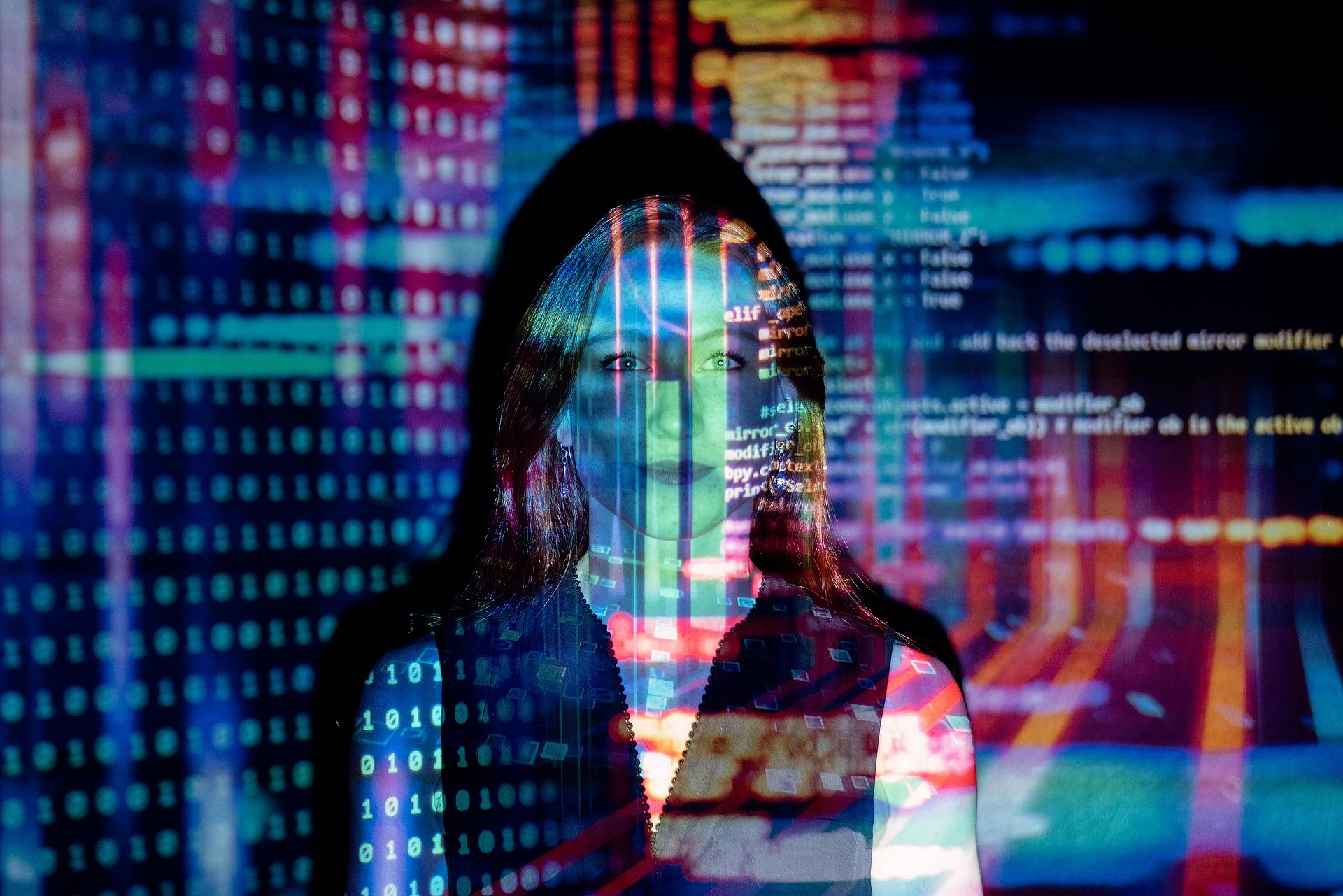
- Model training: During this phase, machine learning techniques analyze the collected data. It lets them identify patterns, styles, and common features in the images. Neural networks are often employed. Convolutional neural networks (CNNs) are particularly proficient in processing visual information.
- Image generation or enhancement: AI image editor can perform various tasks. For enhancement, it might adjust an image’s brightness, contrast, and sharpness or remove unwanted elements. However, the capabilities of this software are not limited to getting rid of drawbacks. The most proficient AI-based editors include generative tools. They can be applied to create new images. These new creations mimic the style and content of the training data. This approach can result in original artworks or realistic photos that did not exist before.
- Feedback and iteration: Continuous feedback helps refine the technological capabilities. Photographers and developers provide feedback on the system’s outputs. The network uses this information for continuous learning and evolving. This iterative process ensures the AI remains accurate and effective in its tasks.
Real-world AI photo examples
Hyper-realistic portraits
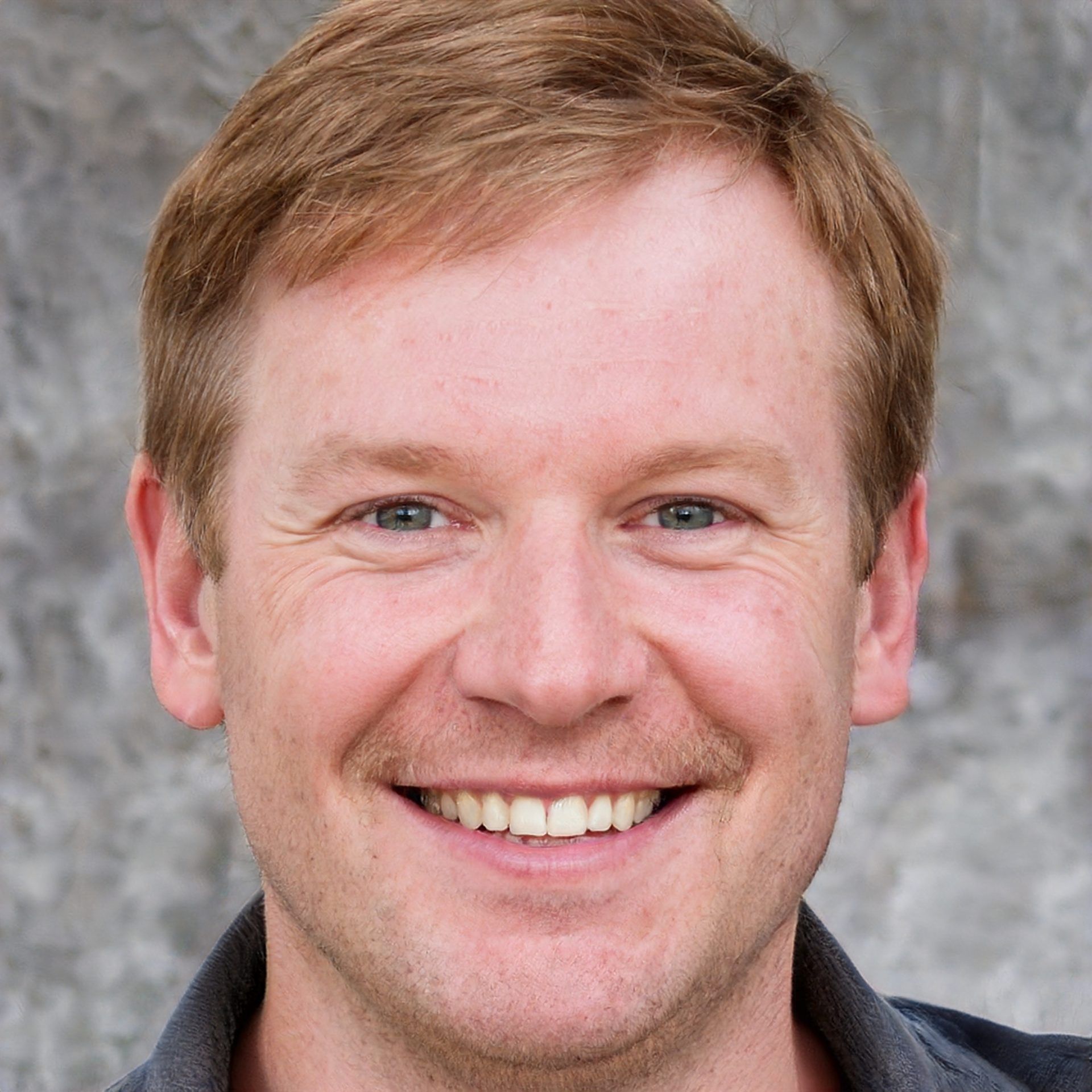
AI algorithms can generate faces that look remarkably lifelike. These portraits often contain intricate details like fine hair strands, subtle skin textures, and realistic lighting, all created from scratch. An example is the website “This Person Does Not Exist.”
Artistic style transfer
You can use technologies to make a regular photo look like your favorite artist’s painting. For instance, an AI can take a landscape photo and reimagine it as a Van Gogh painting, complete with bold brushstrokes and vibrant colors. This approach enhances the picture’s appeal and creatively reinterprets it, adding an element of fine art. Applications like DeepArt and Prisma leverage this technology, letting users experiment with various artistic styles.
Image restoration
Old, damaged, and low-quality photos are no longer considered lost. Modern technologies let you enhance these pictures to make them look new and high-resolution. You can remove scratches, repair tears, and even colorize black-and-white photos, achieving clarity and vibrancy that was not possible a few decades ago. Services like MyHeritage’s “Photo Enhancer” use artificial intelligence to make it possible for anyone to revitalize precious family memories.
Surreal and composite images
Elements from multiple shots can be combined and seamlessly blended to create a new scene. This trick is actively used in the marketing and entertainment industry, where the visual content is especially significant. For example, AI can combine different landscapes, such as a desert and a forest, to create a fantastical environment. And even though the newly-created look will transcend the limits of reality, it will still look convincing enough to establish an emotional connection with the viewers. Tools like DALL-E, developed by OpenAI, generate creative and imaginative images beyond the limits of conventional photography.
Personalization and customization
AI-based photo editing software can analyze a user’s preferences and automatically apply customized edits to photos. The system can learn an individual’s unique style and consistently produce images that align with their tastes. Such personalized editing is extremely helpful for social media content creators to maintain consistency across their profiles. Professional photographers use this technology for cohesive professional-grade portfolios. Programs like Luminar Neo and VSCO include batch-processing tools and customizable presets. These features provide personalized editing suggestions based on user behavior and preferences.
Conclusion
Artificial intelligence in photography is a fascinating blend of technology and art. It has transformed how we create images, and technologies have redefined the way we interact with visual content. By understanding AI photography and familiarizing ourselves with its principles and mechanisms, we can enhance creativity, streamline workflows, and make high-quality image creation accessible to all. As AI continues to evolve, its impact on the photography industry will only grow. Embrace technological advancements and open the door to more possibilities for innovation and artistic expression.
Featured image credit: Eray Eliaçık/Bing