Dataconomy
  • News
    • Artificial Intelligence
    • Cybersecurity
    • DeFi & Blockchain
    • Finance
    • Gaming
    • Startups
    • Tech
  • Industry
  • Research
  • Resources
    • Articles
    • Guides
    • Case Studies
    • Whitepapers
    • AI Models Leaderboard
  • AI toolsNEW
  • Newsletter
  • + More
    • Glossary
    • Conversations
    • Events
    • About
      • Who we are
      • Contact
      • Imprint
      • Legal & Privacy
      • Partner With Us
Subscribe
No Result
View All Result
  • AI
  • Tech
  • Cybersecurity
  • Finance
  • DeFi & Blockchain
  • Startups
  • Gaming
Dataconomy
  • News
    • Artificial Intelligence
    • Cybersecurity
    • DeFi & Blockchain
    • Finance
    • Gaming
    • Startups
    • Tech
  • Industry
  • Research
  • Resources
    • Articles
    • Guides
    • Case Studies
    • Whitepapers
    • AI Models Leaderboard
  • AI toolsNEW
  • Newsletter
  • + More
    • Glossary
    • Conversations
    • Events
    • About
      • Who we are
      • Contact
      • Imprint
      • Legal & Privacy
      • Partner With Us
Subscribe
No Result
View All Result
Dataconomy
No Result
View All Result

Contactless payment usage has significantly increased in past three years

byÖnder Erdine
September 13, 2022
in News, Retail & Consumer
Home News
Share on FacebookShare on TwitterShare on LinkedInShare on WhatsAppShare on e-mail
Google Preferred Source
  • As per Lloyds Bank data, in the early stages of the epidemic, 65% of face-to-face payments were done using contactless payment via debit cards in June 2019, but by June 2022, this had increased to 87%.
  • According to figures released in March by the banking sector trade association UK Finance, about £166 billion was spent in the UK using contactless technology in the previous year, compared to £80.5 billion in 2019.
  • According to Lloyds, 95% of restaurant bills in the UK are paid via contactless technology, which includes mobile wallets, and 83% of purchases at supermarkets are contactless.

According to data from Lloyds Bank, Covid-19 significantly changed how face-to-face payments are made, with nearly 90% of transactions now being contactless.

Contactless payment satisfied the need to socially distance

In June 2019, when the pandemic was just starting, 65% of face-to-face transactions were made using contactless debit cards, according to data from a UK bank; by June 2022, however, this number had risen to 87%.
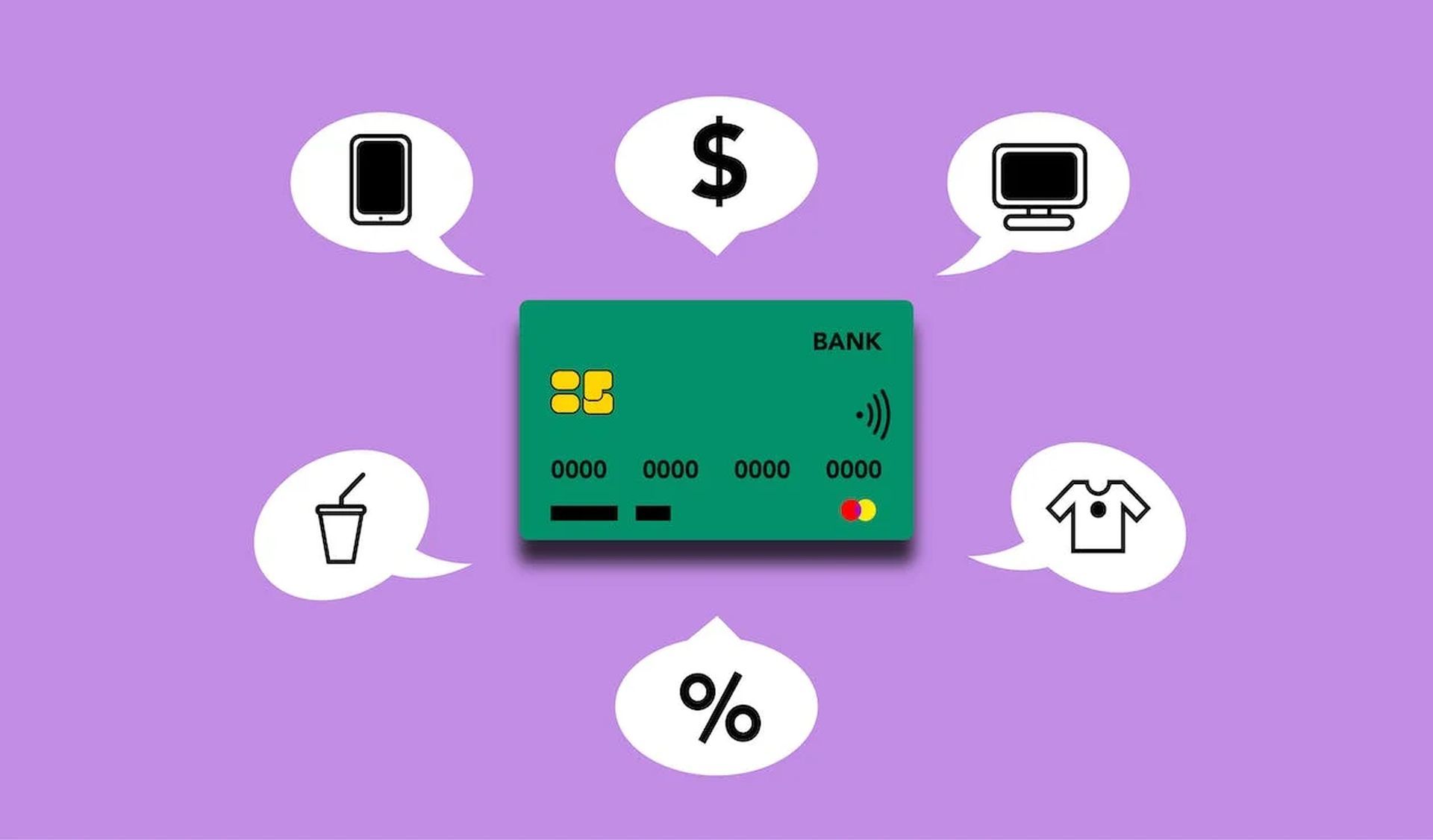
Contactless payment usage has increased during the Covid-19 pandemic
During the Covid-19 pandemic, there was a drastic increase in the usage of contactless payment with debit cards

In June 2020, though, contactless debit cards were used for 72% of face-to-face transactions, and in June 2021, that number increased to 83%, according to the bank.

Stay Ahead of the Curve!

Don't miss out on the latest insights, trends, and analysis in the world of data, technology, and startups. Subscribe to our newsletter and get exclusive content delivered straight to your inbox.

Contactless cards were initially made accessible in the United Kingdom in 2007. There was a £10 spending restriction at the time. This cap was raised to £30 by 2020 but has experienced major increases during the epidemic. It was raised to £45 in April last year and is now £100.

Gabby Collins, payments director at Lloyds Bank said, “The convenience of a contactless payment is clear when you look at the growth in this type of payment over time, with 87% of face-to-face debit card transactions now made using the technology.” 
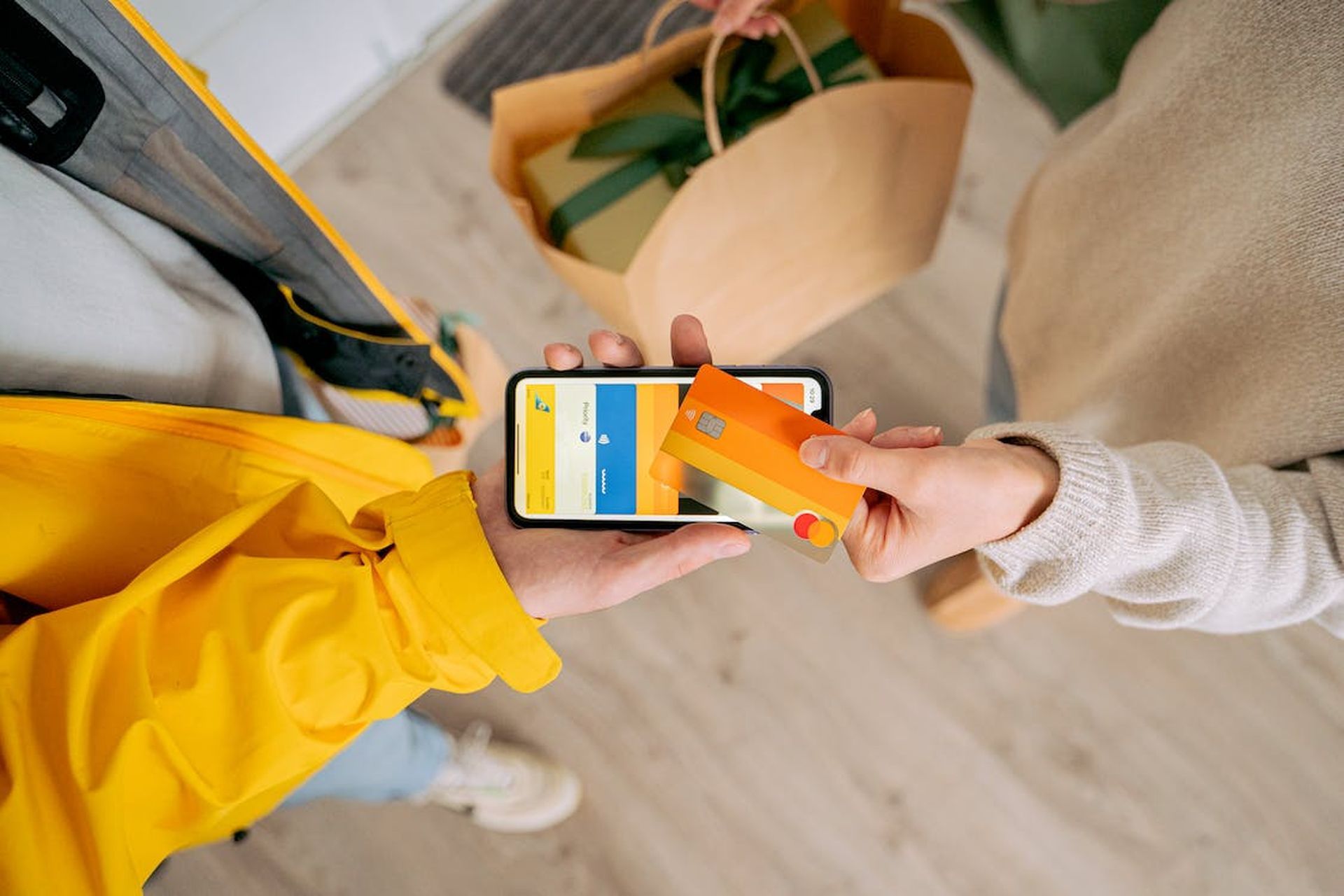
Contactless payment usage has increased during the Covid-19 pandemic
The fact that most people already used cards made it easy to adapt to contactless cards

Customers can set their spending restriction up to £100 using Lloyds’ mobile app. Since its introduction in 2021, this service has been utilized by about 800,000 bank customers.

The Covid-19 pandemic accelerated the use of contactless technology. When the epidemic hit, individuals were advised to restrict physical contact, including currency usage. Because, unlike mobile phone payment applications, most individuals already used payment cards, contactless payment technology was a suitable alternative for cash. This prompted groups such as the elderly, who are notoriously sluggish to adopt new technology, to embrace it.
Contactless payment usage has increased during the Covid-19 pandemic
Payments via contactless technology have doubled in the UK from 2019 to 2020

As per figures released in March by the banking sector trade association UK Finance, about £166 billion was spent in the UK using contactless technology in the previous year, compared to £80.5 billion in 2019.

Based on the latest UK payment markets 2022 research, the pandemic had a revolutionary influence on the payments industry, accelerating the continuous drop in the use of cash payments while also slumping the use of debit cards following years of growing usage.


Three Trends in E-commerce Payments to be Concerned About


“It also led to changes in the payment types used. People made greater use of contactless payments, online banking, and mobile wallet channels, largely at the expense of cash payments,” said the report summary document.

According to Lloyds, 95% of restaurant bills in the UK are paid via contactless technology, which includes mobile wallets, and 83% of purchases at supermarkets are contactless.


Tags: covid-19

Related Posts

Meta debuts AI-powered Creator Studio app to help Facebook creators grow

Meta debuts AI-powered Creator Studio app to help Facebook creators grow

June 25, 2026
OpenAI unveils first custom inference chip named Jalapeño

OpenAI unveils first custom inference chip named Jalapeño

June 25, 2026
Figma adds code layers to collaborative design canvas

Figma adds code layers to collaborative design canvas

June 25, 2026
US reportedly urges Meta to submit AI models

US reportedly urges Meta to submit AI models

June 25, 2026
Euclid data could reveal isolated Milky Way black holes

Euclid data could reveal isolated Milky Way black holes

June 25, 2026
OpenAI upgrades GPT-5.5 Instant for stronger context awareness

OpenAI upgrades GPT-5.5 Instant for stronger context awareness

June 25, 2026
Please login to join discussion

LATEST NEWS

Meta debuts AI-powered Creator Studio app to help Facebook creators grow

OpenAI unveils first custom inference chip named Jalapeño

Figma adds code layers to collaborative design canvas

US reportedly urges Meta to submit AI models

Euclid data could reveal isolated Milky Way black holes

OpenAI upgrades GPT-5.5 Instant for stronger context awareness

BEST AI MODELS LEADERBOARD

See the best AI models, ranked by intelligence, benchmark results, speed and token price. Find the most suitable LLMs, Text-to-Image, Image Editing, Text-to-Speech, Text-to-Video and Image-to-Video  artificial intelligence model for your tasks and business.

LATEST TOOLS

Vrew

Fireflies

SpeedLegal

Teachable Machine

Unriddle

VidAU

Qualified

character.ai

Interview Coder

Moonbeam

Dataconomy

COPYRIGHT © DATACONOMY MEDIA GMBH, ALL RIGHTS RESERVED.

  • About
  • Imprint
  • Contact
  • Legal & Privacy

Follow Us

  • News
    • Artificial Intelligence
    • Cybersecurity
    • DeFi & Blockchain
    • Finance
    • Gaming
    • Startups
    • Tech
  • Industry
  • Research
  • Resources
    • Articles
    • Guides
    • Case Studies
    • Whitepapers
    • AI Models Leaderboard
  • AI tools
  • Newsletter
  • + More
    • Glossary
    • Conversations
    • Events
    • About
      • Who we are
      • Contact
      • Imprint
      • Legal & Privacy
      • Partner With Us
No Result
View All Result
Subscribe

This website uses cookies to improve your experience. You can choose to accept or reject them. Visit our Privacy Policy.