- Scientists have developed a new microscopically thin “e-skin” capable of wirelessly transmitting data about the body’s heart rate and chemistry without using chips or batteries. This implies that, unlike traditional e-skins, which rely on hard microchips that limit flexibility and cost a lot of power, these new e-skins have more practical applications.
- Sensors consisting of pure single-crystalline gallium nitride membranes about 200 nanometers thick are used in the new electronic skin to analyze acoustic waves rippling over the surfaces of materials.
- The new e-skin can measure heart rate and pulse for around 17 hours each day for a week, indicating its wearable and reusable nature, according to the researchers.
- Furthermore, the scientists discovered that the sensors were sensitive to UV light. As a result, they may be used to monitor the amount of sun exposure and avoid sunburns.
Wearable sensors are nowadays often used to monitor vital signs, although these devices typically rely on large microchips and batteries. Scientists have developed a new microscopically thin “electronic skin” capable of wirelessly transmitting data about the body’s vital signs and chemistry without using chips or batteries.
An e-skin that is almost imperceptible
Recent breakthroughs in flexible and elastic circuits and sensors have paved the way for developing electronic skin, or e-skin, which adheres to the body like an electronic version of a tape. These gadgets are frequently used as health-monitoring systems to track wellbeing and fitness.
To be more widely used in daily life, e-skin devices must be able to transfer data wirelessly. This implies that most e-skins rely on hard microchips, which limit flexibility and cost a lot of power.

Scientists have developed new chipless, wireless electronic skins that “are very thin and imperceptible because our e-skins do not use thick and rigid integrated-circuit chips,” according to the paper co-senior authored by MIT materials scientist Jeehwan Kim. “Also, whereas integrated-circuit chips generate a lot of heat because of high power consumption, our e-skins do not. Thus, our e-skins can be worn over long periods—for example, weeks—without causing discomfort or skin injury,” he added.
Sensors in the new electronic skin analyze acoustic waves rippling over the surfaces of materials. Modern smartphones now have hundreds of acoustic devices for manipulating surface acoustic waves. These sensors are built of 200 nanometer-thick pure single-crystalline gallium nitride membranes. These extremely thin piezoelectric sheets can convert electric impulses to sound waves and vice versa.

The researchers reasoned that each gallium nitride membrane would have its own unique vibration frequency, which its piezoelectric nature, would translate into an electrical signal detectable by a smartphone wireless receiver. Any change in the physical condition of the electronic skin would alter its mechanical vibrations, causing noticeable changes in its electrical signals, all without the requirement for a chip or battery in the sensor.
The researchers paired these gallium nitride membranes with gold, titanium, and other materials in the latest study to act as the antenna for the e-skin. They attached the gadget to a silicone rubber patch about 20 micrometers thick, or roughly one-fifth the diameter of a human hair.
Rising cybersecurity risks threaten the healthcare industry
The scientists tested the e-skin on participants’ wrists and necks. They observed variations in the device’s surface acoustic waves about pulse and heart rate, “which can be useful when tracking exercise and trying to detect heart abnormalities,” according to Kim.
The new e-skin is reusable and practical
The researchers discovered that e-skin could continually monitor heart rate and pulse for around 17 hours each day for a week, proving its wearable and reusable nature. According to Kim, such wireless mechanical sensors might be used in virtual reality and other entertainment applications that wirelessly detect human motions.
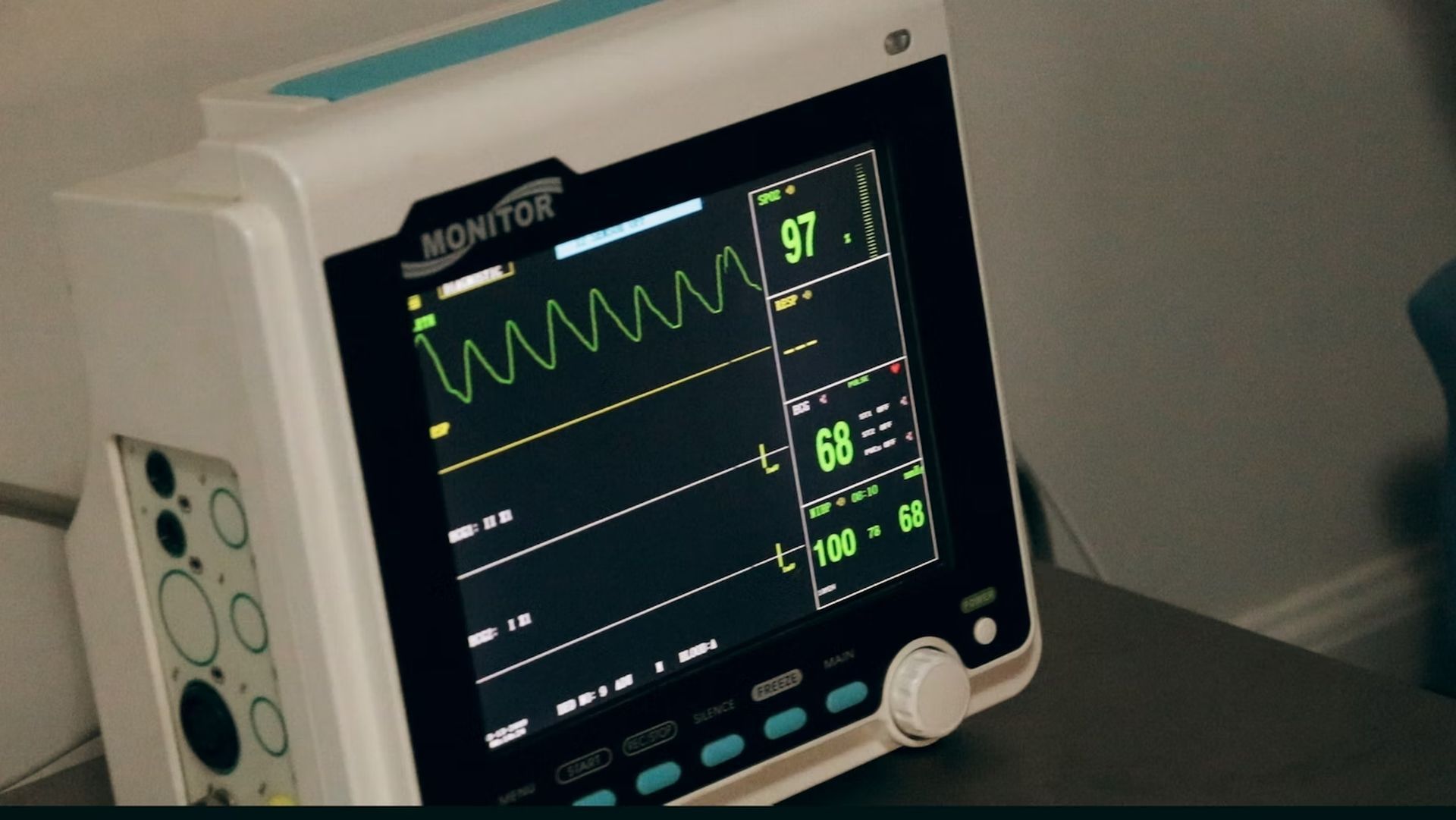
When the sensors were combined with thin-membrane detectors, the researchers could detect changes in sodium levels on the skin, such as when a volunteer held onto a heating pad and began to sweat. According to Kim, the electronic skin may be combined with other sensors to evaluate other substances, such as glucose, to assist monitor diabetes or the stress hormone cortisol in tracking anxiety and panic disorders.
Future Trends in Healthcare Technology
Furthermore, the scientists discovered that the sensors were sensitive to UV light. Kim explained, “Ultraviolet light information can be used to track the exact amount of sun exposure and prevent sunburns, or too little exposure to sunlight that might lead to vitamin D deficiency.”
The researchers published their findings in the journal Science on August 19th.