Gene-editing breakthroughs are setting the stage for a leap in de-extinction efforts, with scientists aiming to bring back extinct species such as the dodo, wooly mammoth, and Tasmanian tiger by 2028.
Colossal Biosciences, a pioneering biotech company, has been at the forefront of this initiative, developing the technology needed to replicate the DNA of extinct species using close living relatives.
Based in Texas, Colossal Biosciences has raised $235 million to fund its ambitious de-extinction projects, with support from notable figures such as Chris Hemsworth, Paris Hilton, and Tony Robbins. The company, co-founded by tech entrepreneur Ben Lamm and Harvard geneticist George Church, is focused on reviving species by identifying and editing key “core” genes that define these animals.
Dodo and others might revive by 2028
Ben Lamm, Colossal’s CEO, has indicated that the Tasmanian tiger and dodo may reappear before the mammoth due to their shorter gestation periods. While the woolly mammoth requires a 22-month gestation, the Tasmanian tiger’s is just weeks, and the dodo’s is about a month.
This timeline positions Colossal to potentially revive one of these species well before the mammoth’s expected return.
Beyond de-extinction, Colossal is also driving conservation efforts. The company recently established the Colossal Foundation, securing an additional $50 million to protect endangered species such as the vaquita porpoise and the northern white rhino.
The technologies developed for de-extinction are being shared with conservation groups to aid in species preservation and bolster biodiversity.
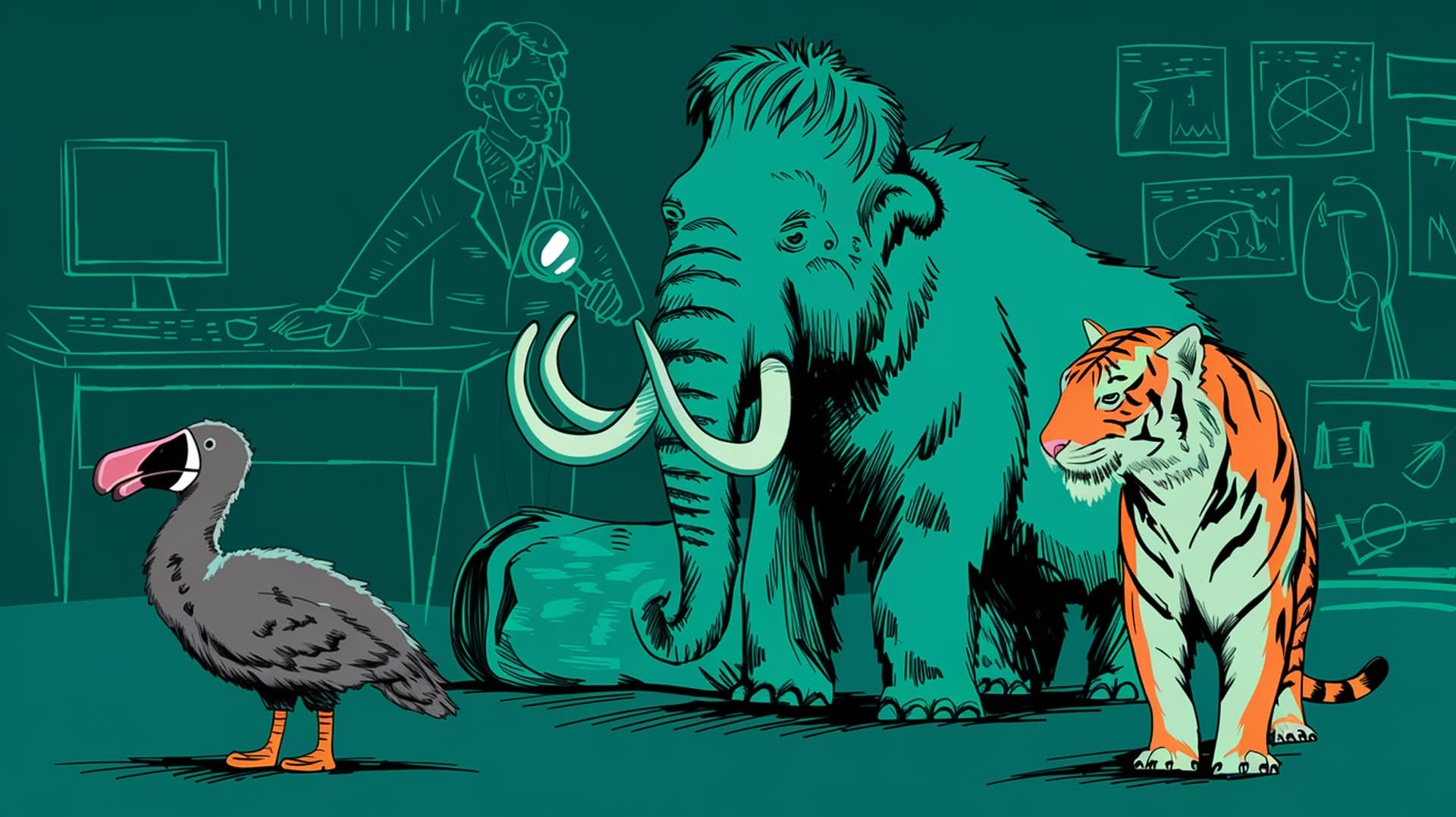
How and why reviving extinct species will help us?
Reviving extinct species, often called de-extinction, holds potential benefits for science, ecology, and even humanity’s future.
Many extinct species played critical roles in their ecosystems. Their absence has disrupted natural processes like predation, grazing, and seed dispersal, which can lead to the collapse of ecosystems. Reviving key species could help restore balance to these ecosystems and improve their health.
For instance, the reintroduction of the woolly mammoth or a close genetic relative to the Arctic tundra could help restore ecosystems by trampling down shrubs, allowing grasslands to flourish, which in turn sequesters carbon and slows climate change.
De-extinction can also boost biodiversity, which is crucial for maintaining healthy ecosystems. Biodiversity strengthens resilience to changes, such as climate shifts, disease outbreaks, and habitat loss. Reviving extinct species also provides an opportunity to repopulate endangered or severely depleted ecosystems, enhancing their complexity and stability.
Google’s AlphaFold 3 AI system takes on the mystery of molecules
Restoring the Tasmanian tiger (thylacine) to its natural habitat in Australia could help control populations of invasive species, as it once played a role as a top predator.
The gene-editing technologies developed for de-extinction can benefit the conservation of currently endangered species too. These techniques can be used to genetically strengthen species against diseases or environmental changes or even allow them to adapt to changing climates.
Humans learn by examining and the effort to bring back extinct species could lead to groundbreaking discoveries in genetics, biology, and ecology. By reviving extinct animals, scientists will gain invaluable insights into evolutionary processes, species adaptation, and how ecosystems functioned in the past. This deeper understanding could be applied to help modern species survive in rapidly changing environments.
How about us?
Gene editing in human research is heavily restricted or outright illegal in many countries due to a combination of ethical, safety, and societal concerns. While technology, such as CRISPR, holds enormous potential to treat or even cure genetic diseases, there are several reasons why it remains controversial and regulated.
Why is gene-editing illegal for human research?
Altering the human genome, especially in ways that affect future generations (germline editing), raises profound ethical questions. Many argue that it could lead to unintended consequences, such as “designer babies,” where parents select traits like intelligence, physical appearance, or athletic ability. This could exacerbate inequalities and create ethical dilemmas over what constitutes an “ideal” human.
Gene editing carries the risk of off-target effects, where unintended parts of the genome might be altered. These mistakes could lead to unforeseen health problems, including the potential for new diseases or harmful mutations. The long-term impacts of altering the human genome, especially in future generations, are still largely unknown, posing significant safety concerns.
Germline gene editing affects not just the individual but also future generations, who have no ability to consent to these changes. This creates a major ethical issue, as it could lead to unintended harm or significant genetic alterations in human evolution that cannot be reversed.
Many bioethicists worry that gene editing for non-medical purposes could revive discredited eugenic practices, where selective breeding or genetic engineering is used to favor certain traits, leading to social divisions and discrimination based on genetic “desirability”.
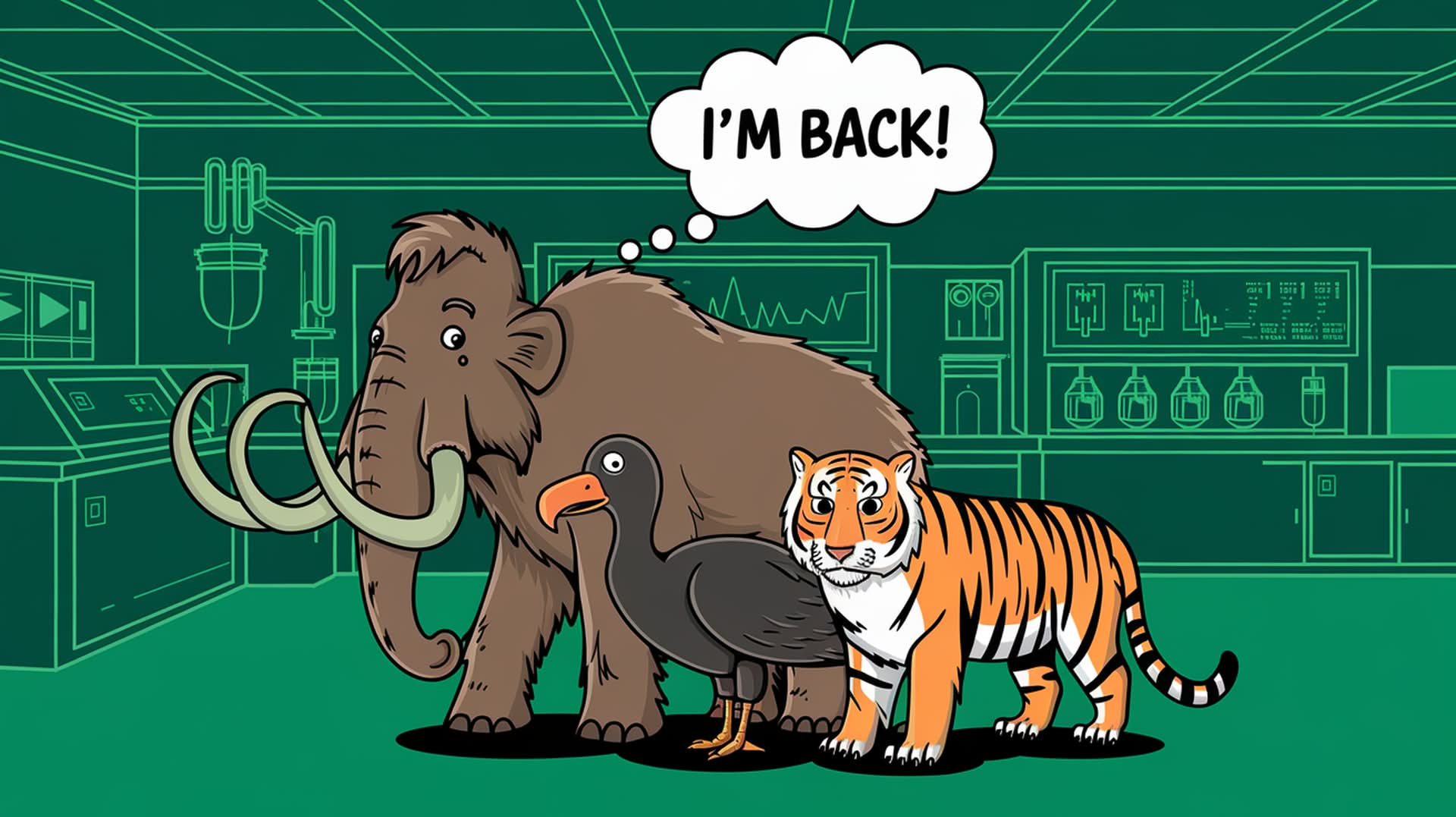
Gene editing, especially in humans, is a complex and rapidly evolving field. Governments and regulatory bodies are still grappling with how to adequately monitor and control its use to prevent unethical practices or unintended consequences. In most places, laws and regulations have been put in place to ensure that gene editing in humans is only conducted under very strict conditions, if at all.
Illegal or unethical gene-editing experiments, such as the case of Chinese scientist He Jiankui, who edited the genomes of twin girls in 2018, have caused public outcry. These incidents undermine trust in the scientific community and lead to fears that unregulated gene editing could harm public health and safety.
So, while gene editing offers great promise for medical advancements, legal restrictions are in place to ensure that any human research adheres to rigorous ethical standards, prioritizes safety, and avoids irreversible harm to future generations or society at large.
The next few years could see the return of creatures long thought to be consigned to history, as science and technology converge to rewrite the future of biodiversity.
Image credits: Emre Çıtak/Ideogram AI