The Olympics are getting a high-tech makeover with artificial intelligence! Imagine AI tracking every move, perfecting training, and even customizing gear and nutrition for athletes. It’s also helping referees make spot-on calls and turning up the excitement for fans with awesome stats and personalized highlights. Get ready to see how AI is making the Olympic Games smarter, smoother, and more thrilling than ever!
Athlete training and performance
AI is revolutionizing athlete training and performance in several key ways:
- Biomechanical analysis: AI technologies like Intel’s 3D Athlete Tracking (3DAT) use sophisticated algorithms to analyze an athlete’s movements in detail. By tracking multiple points on the body, AI can provide insights into biomechanics, such as stride length, joint angles, and muscle activation. Coaches can use this data to refine techniques, prevent injuries, and enhance overall performance.
- Custom gear and nutrition: AI-driven systems are used to design custom athletic gear, such as shoes and clothing, tailored to individual athletes’ needs. Similarly, AI can analyze dietary data to create personalized nutrition plans, ensuring athletes get the right balance of nutrients to optimize their performance and recovery.
- Talent identification: AI is also being used to identify potential talent at a young age. By analyzing performance data from various drills and competitions, AI can highlight athletes with the potential for greatness. This helps to democratize access to elite sports training by identifying promising talent in regions that might otherwise be overlooked.

- Training optimization: AI systems analyze vast amounts of data to recommend optimal training schedules. By considering factors like an athlete’s performance history, physical condition, and recovery needs, AI can suggest the most effective training regimens, helping athletes to maximize their potential.
Refereeing and real-time data analysis
AI’s role in refereeing and real-time data analysis is expanding:
- Decision support: In sports like football, AI systems use cameras and sensors to track the ball and players, assisting referees in making accurate decisions. These systems can provide real-time insights into whether a ball has crossed the goal line or if a foul has occurred.
- Enhanced accuracy: AI’s ability to process and analyze data quickly helps in making precise decisions, reducing human error. For example, AI can analyze player movements and detect offside positions more accurately than the human eye.
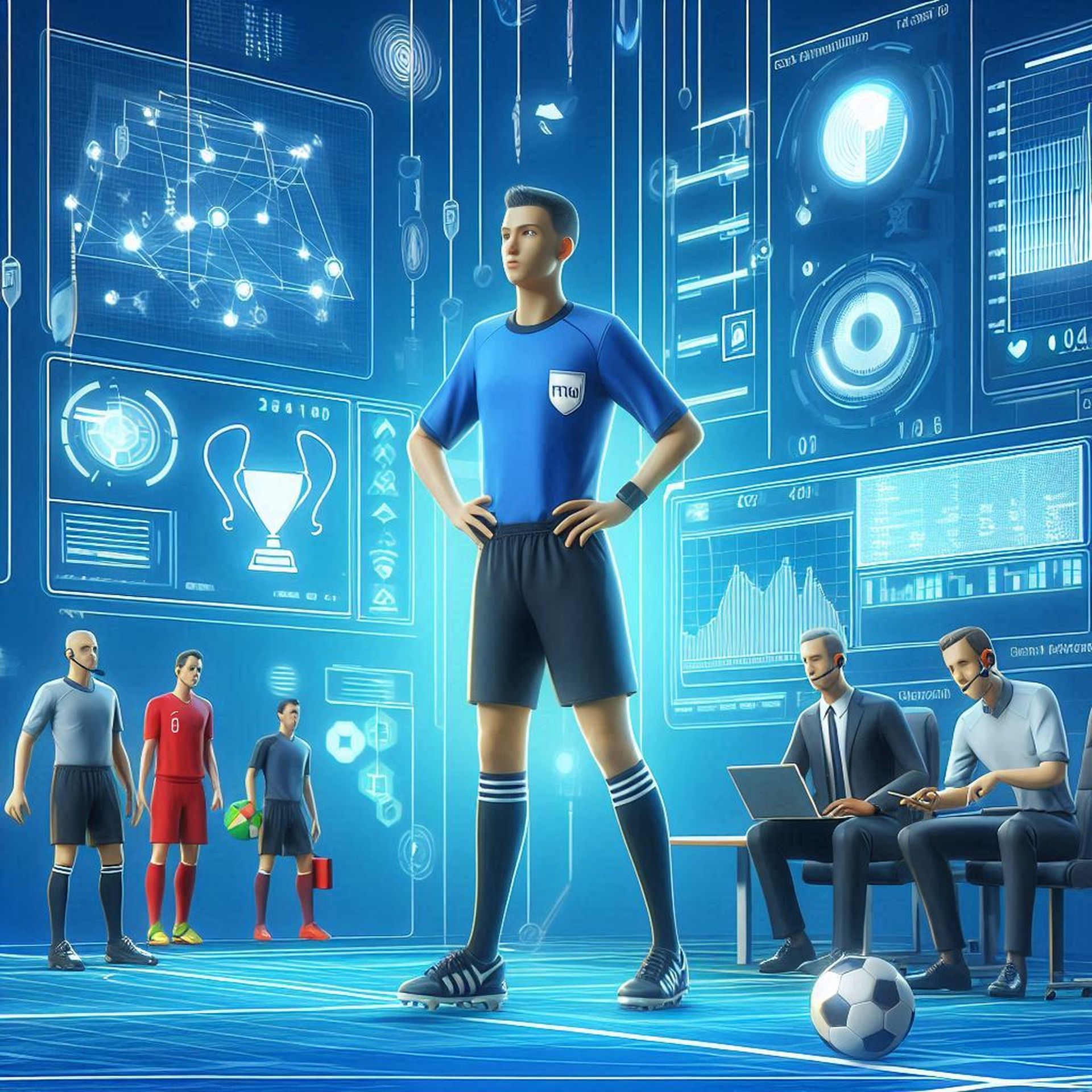
- Sport-specific challenges: The implementation of AI in sports with complex conditions, such as water polo, presents unique challenges. AI systems must adapt to specific scenarios, such as underwater imagery and chaotic gameplay, to provide accurate decision support. This requires developing specialized algorithms and training models that can handle these unique conditions.
- Transparency: AI can enhance transparency in decision-making by providing clear visualizations and data to teams and spectators. For example, if a controversial call is made, AI-generated visualizations can help explain the decision by showing relevant data and footage.
Viewer experience and broadcasting
AI is transforming the way fans experience the Olympics through:
- Personalized content: AI platforms can create personalized highlight reels for viewers, selecting clips based on their preferences. For instance, if a viewer is interested in a particular athlete or event, AI can compile all relevant footage into a custom highlight package.
- Enhanced statistics: Broadcasters are leveraging AI to provide more detailed and engaging statistics during live broadcasts. AI can track and display metrics such as acceleration, top speeds, and stride lengths, offering viewers deeper insights into the performance of athletes.

- Interactive features: AI enables interactive features like virtual overlays and real-time analytics. For example, viewers might see virtual lines on the field to compare athlete performances or receive instant updates on statistics and records.
- Content curation: AI can automate the curation of content, ensuring that broadcasters can provide comprehensive coverage even with limited resources. By analyzing footage and data, AI systems can identify key moments and compile them into engaging segments for viewers.
AI in Olympic operations
AI is also being integrated into the operational aspects of the Olympics:
- Logistics and scheduling: AI algorithms help manage the complex logistics of organizing the Games, including scheduling events, coordinating transportation, and managing venue operations. This ensures that everything runs smoothly and efficiently.
- Security and safety: AI technologies are used for security purposes, including surveillance and threat detection. AI systems can analyze video feeds and other data to identify potential security risks and ensure the safety of athletes, officials, and spectators.
- Fan engagement: AI-driven applications and chatbots, like AthleteGPT, provide personalized assistance to athletes and fans, answering questions about schedules, venues, and other aspects of the Games. This enhances the overall experience by providing timely and accurate information.

AI is taking the Olympics to the next level, making the Games smarter and more exciting than ever. From fine-tuning athlete performance and optimizing refereeing to enhancing fan experiences with custom highlights and real-time stats, AI is changing the game. Behind the scenes, it ensures smooth operations and top-notch security, making this the most advanced Olympics yet!
Featured image credit: Eray Eliaçık/Bing