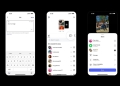
YouTube has upgraded its Media Kit for channels, providing creators with expanded audience insights to share with potential partners. The updates include new demographic data, aimed at enhancing creators’ ability to secure branded content deals.
The Media Kit, available to all creators in the YouTube Partner Program since October, allows users to generate PDF overviews of key channel metrics. This overview includes data on subscriber counts, video posting frequency, and unique viewers. New elements also include ‘Family Status’, which indicates the percentage of a channel’s audience that are parents or non-parents, and ‘Household Income’, providing detailed demographic insights.
YouTube stated that this additional information could assist creators in attracting more sponsorship opportunities. The platform aims to empower creators to present their audience profiles more effectively to potential brand partners.
In conjunction with the Media Kit updates, YouTube is integrating Google’s latest AI-powered image generation tools into its YouTube Create app. This app functions as a separate video editing tool, akin to Meta’s Edits and ByteDance’s CapCut, facilitating more advanced video content creation.
Users of the YouTube Create app can now generate images using Google’s Nano Banana image generation model, according to YouTube. The platform clarified, “This upgrade will allow you to use text prompts and reference images to create Gen AI images. You can upload up to three images from your device’s media gallery to serve as ingredients for the generation.”
The gradual expansion of AI tools within YouTube reflects Google’s ongoing investment in artificial intelligence. Despite the potential benefits, there are concerns about how these technologies may affect user creativity and content quality. For instance, last month, YouTube enhanced its Reimagine feature for Shorts, allowing users to transform existing clips into new 8-second videos using the Veo AI generation model.
While Reimagine offers users options for the AI-generated changes, the extent of user control over the alterations has raised questions. Critics argue that automating parts of the creative process may compromise individual expression, potentially leading to a decrease in unique content quality on the platform.