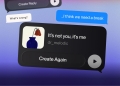
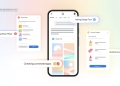
TikTok is testing an opt-in tool that scans for AI-generated likenesses of creators and allows them to flag unauthorized deepfake content, the company confirmed this week. Social media consultant Matt Navarra first identified the feature, which TikTok US spokesperson Zachary Kizer confirmed to The Verge is available to a limited group of US creators.
TikTok is testing AI likeness detection for creators@tiktok_us is testing an opt-in Likeness Detection tool with some US creators.
It surfaces AI-generated content that may use a creator’s face without consent. pic.twitter.com/XxTF4nUETz
— Matt Navarra (@MattNavarra) July 17, 2026
To use the tool, creators must verify their identity through Jumio, a third-party identity verification service. This process includes a real-time selfie scan and a government ID check. Kizer stated that “TikTok does not retain ID documents, and facial information is used only for likeness matching and to help identify potential unauthorized uses of a creator’s likeness.”
After verification, TikTok’s system scans the platform for AI-generated content that may match a creator’s face. Verified creators can review flagged content and report posts or accounts they believe are impersonating them.
This development places TikTok in direct competition with YouTube, which has been developing similar protections since 2024. YouTube expanded its likeness detection tool to all users over 18 in May after gradually rolling it out to specific user groups. YouTube’s tool also requires a selfie-style facial scan and government ID verification to monitor for unauthorized deepfake content.
The tools are introduced amid rising concerns over AI-generated impersonation content. A June 2026 study by Kapwing indicated that about 60 percent of TikTok videos now classify as AI-generated content. Additionally, the EU AI Act’s transparency rules, requiring machine-readable markers on AI outputs, become enforceable on August 2.
TikTok has not disclosed when the likeness detection feature will be made broadly available beyond its current test group.