Dataconomy
  • News
    • Artificial Intelligence
    • Cybersecurity
    • DeFi & Blockchain
    • Finance
    • Gaming
    • Startups
    • Tech
  • Industry
  • Research
  • Resources
    • Articles
    • Guides
    • Case Studies
    • Whitepapers
  • AI toolsNEW
  • Newsletter
  • + More
    • Glossary
    • Conversations
    • Events
    • About
      • Who we are
      • Contact
      • Imprint
      • Legal & Privacy
      • Partner With Us
Subscribe
No Result
View All Result
  • AI
  • Tech
  • Cybersecurity
  • Finance
  • DeFi & Blockchain
  • Startups
  • Gaming
Dataconomy
  • News
    • Artificial Intelligence
    • Cybersecurity
    • DeFi & Blockchain
    • Finance
    • Gaming
    • Startups
    • Tech
  • Industry
  • Research
  • Resources
    • Articles
    • Guides
    • Case Studies
    • Whitepapers
  • AI toolsNEW
  • Newsletter
  • + More
    • Glossary
    • Conversations
    • Events
    • About
      • Who we are
      • Contact
      • Imprint
      • Legal & Privacy
      • Partner With Us
Subscribe
No Result
View All Result
Dataconomy
No Result
View All Result

Chrome for Android copies Safari’s address bar trick

Chrome’s address bar can now be placed at the bottom on Android. The design mirrors a Safari update from iOS 15 and is meant to improve user comfort on larger phones.

byAytun Çelebi
June 25, 2025
in Tech, News
Home News Tech
Share on FacebookShare on TwitterShare on LinkedInShare on WhatsAppShare on e-mail

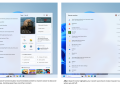
Google Chrome for Android will now allow users to relocate the address bar to the bottom of the screen, a design modification mirroring a change introduced by Apple’s Safari in iOS 15 in 2021. This feature, previously implemented in Chrome for iOS, provides users with configuration options for the address bar’s placement.

The adjustment in address bar positioning addresses user comfort during mobile device interaction. Users can initiate this change by long-pressing the address bar and selecting the relevant option, or by navigating through the Chrome Settings menu to configure its location. This flexibility aims to enhance accessibility, placing the address bar closer to the natural resting position of a user’s thumbs during one-handed phone operation.

Apple encountered significant user feedback following its initial implementation of the bottom address bar in Safari. Upon the introduction of iOS 15, the address bar initially floated above webpage content. Users reported issues with this placement, citing instances where the bar obstructed critical website elements, necessitating manual dismissal to access underlying content. Other users expressed general dissatisfaction with the design alteration.

Stay Ahead of the Curve!

Don't miss out on the latest insights, trends, and analysis in the world of data, technology, and startups. Subscribe to our newsletter and get exclusive content delivered straight to your inbox.

In response to this feedback, Apple subsequently revised Safari’s design. The address bar was relocated to the bottom of the screen, positioned below the page content, and its adoption was made an optional setting rather than a mandatory default. Google has adopted a similar strategy with Chrome for Android, providing user choice regarding the address bar’s location, thereby avoiding a forced design change across its user base.

The rollout of this optional address bar placement feature for Chrome on Android devices commenced today and will continue to become available to all users progressively over the coming weeks.



Featured image credit

Tags: AndroidchromeGooglesafari

Related Posts

Substack goes for the living room with beta TV app launch

Substack goes for the living room with beta TV app launch

January 23, 2026
Google rolls out opt-in “Personal Intelligence” for AI Pro and Ultra users

Google rolls out opt-in “Personal Intelligence” for AI Pro and Ultra users

January 23, 2026
JBL launches AI-powered BandBox amps

JBL launches AI-powered BandBox amps

January 23, 2026
The billion-event problem: How data engineering powers 8-hour battery life in AR glasses

The billion-event problem: How data engineering powers 8-hour battery life in AR glasses

January 23, 2026
Influencer collaboration with brands: 15 real formats beyond the sponsored post

Influencer collaboration with brands: 15 real formats beyond the sponsored post

January 23, 2026
From fragmented systems to intelligent workflows: How CRM platforms like Salesforce power data-driven enterprise operations

From fragmented systems to intelligent workflows: How CRM platforms like Salesforce power data-driven enterprise operations

January 23, 2026

LATEST NEWS

Substack goes for the living room with beta TV app launch

Google rolls out opt-in “Personal Intelligence” for AI Pro and Ultra users

JBL launches AI-powered BandBox amps

The billion-event problem: How data engineering powers 8-hour battery life in AR glasses

Influencer collaboration with brands: 15 real formats beyond the sponsored post

From fragmented systems to intelligent workflows: How CRM platforms like Salesforce power data-driven enterprise operations

Dataconomy

COPYRIGHT © DATACONOMY MEDIA GMBH, ALL RIGHTS RESERVED.

  • About
  • Imprint
  • Contact
  • Legal & Privacy

Follow Us

  • News
    • Artificial Intelligence
    • Cybersecurity
    • DeFi & Blockchain
    • Finance
    • Gaming
    • Startups
    • Tech
  • Industry
  • Research
  • Resources
    • Articles
    • Guides
    • Case Studies
    • Whitepapers
  • AI tools
  • Newsletter
  • + More
    • Glossary
    • Conversations
    • Events
    • About
      • Who we are
      • Contact
      • Imprint
      • Legal & Privacy
      • Partner With Us
No Result
View All Result
Subscribe

This website uses cookies. By continuing to use this website you are giving consent to cookies being used. Visit our Privacy Policy.