Dataconomy
  • News
    • Artificial Intelligence
    • Cybersecurity
    • DeFi & Blockchain
    • Finance
    • Gaming
    • Startups
    • Tech
  • Industry
  • Research
  • Resources
    • Articles
    • Guides
    • Case Studies
    • Whitepapers
    • AI Models Leaderboard
  • AI toolsNEW
  • Newsletter
  • + More
    • Glossary
    • Conversations
    • Events
    • About
      • Who we are
      • Contact
      • Imprint
      • Legal & Privacy
      • Partner With Us
Subscribe
No Result
View All Result
  • AI
  • Tech
  • Cybersecurity
  • Finance
  • DeFi & Blockchain
  • Startups
  • Gaming
Dataconomy
  • News
    • Artificial Intelligence
    • Cybersecurity
    • DeFi & Blockchain
    • Finance
    • Gaming
    • Startups
    • Tech
  • Industry
  • Research
  • Resources
    • Articles
    • Guides
    • Case Studies
    • Whitepapers
    • AI Models Leaderboard
  • AI toolsNEW
  • Newsletter
  • + More
    • Glossary
    • Conversations
    • Events
    • About
      • Who we are
      • Contact
      • Imprint
      • Legal & Privacy
      • Partner With Us
Subscribe
No Result
View All Result
Dataconomy
No Result
View All Result

Kaspersky banned in the U.S., and here’s why

The Commerce Department’s Bureau of Industry and Security announced that it had implemented a "first-of-its-kind" ban

byEray Eliaçık
June 21, 2024
in News, Cybersecurity
Home News
Share on FacebookShare on TwitterShare on LinkedInShare on WhatsAppShare on e-mail
Google Preferred Source

Yes, Kaspersky banned in US! The government has banned the sale of Kaspersky antivirus software due to concerns over national security and user privacy, citing the company’s Russian origins. Commerce Secretary Gina Raimondo stated that Russia has the capability and intent to exploit Kaspersky for intelligence purposes.

The Kaspersky ban, effective July 20, prohibits sales to American consumers and businesses. Existing users will receive updates until September 29. Users should switch to alternative antivirus software to avoid potential security risks. This action follows previous restrictions on Kaspersky by the U.S. government and is part of ongoing efforts to protect against cyber threats linked to Russian entities.

A deeper dive into why Kaspersky banned in US

The U.S. government has banned the sale of Kaspersky antivirus software due to concerns over national security and user privacy, primarily because the company is based in Russia. Here are the key reasons behind this decision:

Stay Ahead of the Curve!

Don't miss out on the latest insights, trends, and analysis in the world of data, technology, and startups. Subscribe to our newsletter and get exclusive content delivered straight to your inbox.

National security concerns

  • Exploitation by the Russian Government: The U.S. government believes that the Russian government has both the capacity and intent to exploit Russian companies, including Kaspersky, to collect and weaponize the personal information of Americans. This potential for exploitation is seen as a direct threat to national security.
  • Past incidents: Historical incidents have heightened these concerns. For example, in 2017, it was reported that Russian government hackers had stolen U.S. classified documents from an intelligence contractor’s home computer that was running Kaspersky antivirus. This incident marked the first known case of espionage linked to the use of Kaspersky software.
Kaspersky banned in the U.S., and here's why
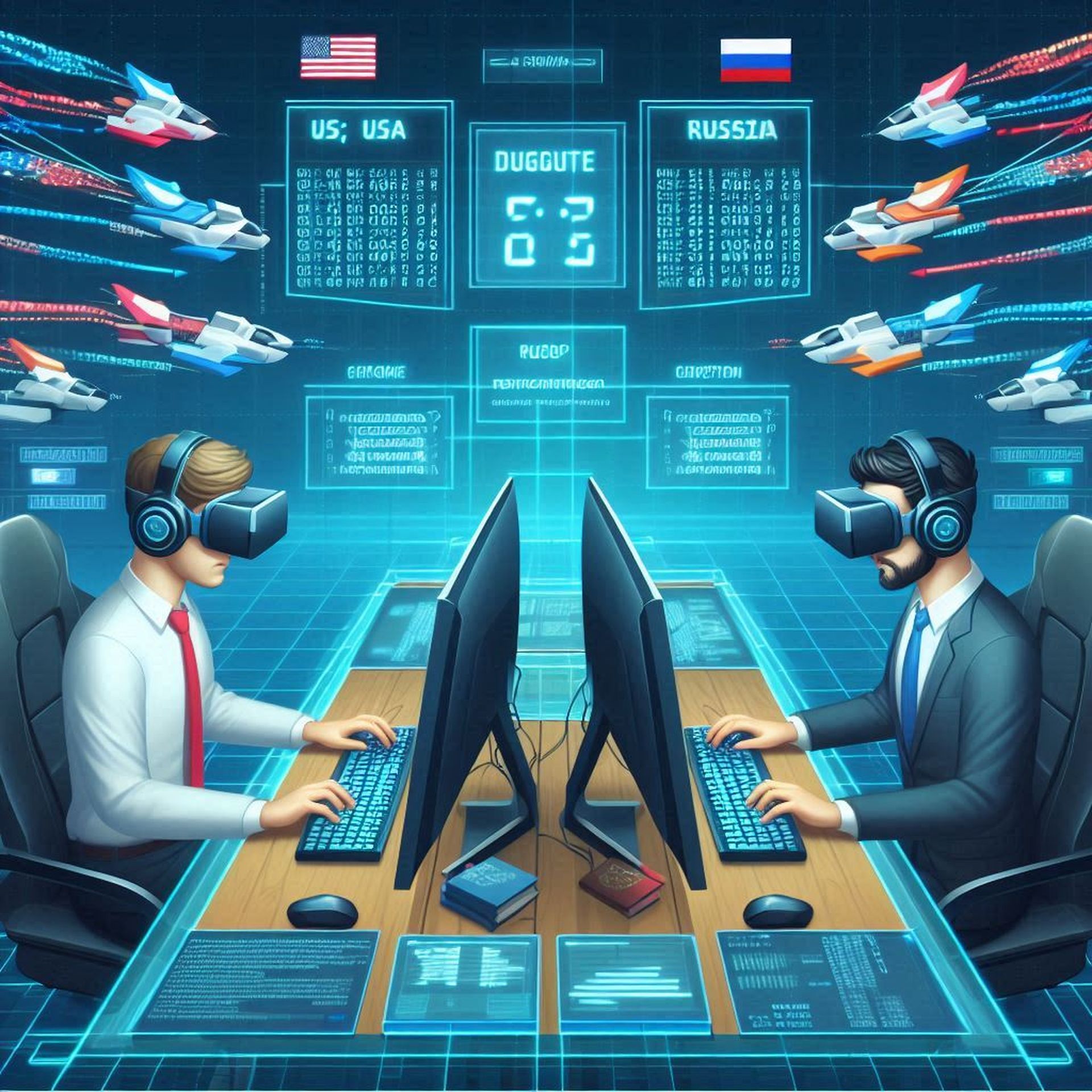
Kaspersky banned in US (Image credit)
  • Existing restrictions: In 2017, the Trump administration banned U.S. federal agencies from using Kaspersky software due to fears that the company could be compelled to assist Russian intelligence agencies. This set a precedent for the recent broader ban.

Could Apple be an NSA agent, Russia asks


Protection of user privacy

  • Data vulnerability: There is a fear that Kaspersky software could be used to gather sensitive personal information from American users and that this data could be accessed or manipulated by Russian intelligence.
  • Software degradation: Post-ban, Kaspersky will no longer be allowed to provide software updates to U.S. customers after September 29. Without these updates, the software and its security measures will degrade, potentially leaving users vulnerable to cyber threats.

Preventive measures

  • Proactive action: U.S. Commerce Secretary Gina Raimondo emphasized the necessity of taking proactive measures to prevent potential exploitation. By banning the software, the U.S. aims to mitigate the risk before any further incidents occur.
  • Encouragement to switch: The U.S. government is encouraging current users of Kaspersky to switch to alternative antivirus providers to ensure their data and devices remain secure. Federal agencies like the Department of Homeland Security and the Justice Department will assist in this transition.

Ongoing and historical context

  • Long-standing tensions: The ban is the latest development in a long series of U.S. government actions against Kaspersky, reflecting ongoing tensions and mistrust between the U.S. and Russia regarding cybersecurity and intelligence operations.
  • Widespread impact: While the exact number of U.S. users of Kaspersky is not disclosed, it is significant enough to include critical infrastructure organizations and state and local government entities, further underlining the perceived risk.

In summary, the U.S. government’s ban on Kaspersky antivirus is driven by significant concerns over national security, potential exploitation by the Russian government, and the need to protect American users’ privacy and data integrity. Are they right? We have to wait for the answer.


Featured image credit: Philipp Katzenberger/Unsplash

Tags: banKasperskyRussiaUS

Related Posts

Why Telegram Mini Apps have become the optimal ecosystem for launching AI SaaS products

Why Telegram Mini Apps have become the optimal ecosystem for launching AI SaaS products

June 3, 2026
Crypto investors are watching one date closely in 2026

Crypto investors are watching one date closely in 2026

June 3, 2026
How Telegram Creators test post visibility before running growth campaigns

How Telegram Creators test post visibility before running growth campaigns

June 3, 2026
Does your AI clock in without you?

Does your AI clock in without you?

June 3, 2026
Why secure software delivery depends on better release management

Why secure software delivery depends on better release management

June 3, 2026
Sony reveals God of War: Laufey for PS5

Sony reveals God of War: Laufey for PS5

June 3, 2026

LATEST NEWS

Why Telegram Mini Apps have become the optimal ecosystem for launching AI SaaS products

Crypto investors are watching one date closely in 2026

How Telegram Creators test post visibility before running growth campaigns

Does your AI clock in without you?

Why secure software delivery depends on better release management

Sony reveals God of War: Laufey for PS5

BEST AI MODELS LEADERBOARD

See the best AI models, ranked by intelligence, benchmark results, speed and token price. Find the most suitable LLMs, Text-to-Image, Image Editing, Text-to-Speech, Text-to-Video and Image-to-Video  artificial intelligence model for your tasks and business.

LATEST TOOLS

Veed.io

Paper Pilot

IsOn24

Magnific

DADABOTS

Rosebud AI

Prome

Pageon AI

Vyond

Centauri AI

Dataconomy

COPYRIGHT © DATACONOMY MEDIA GMBH, ALL RIGHTS RESERVED.

  • About
  • Imprint
  • Contact
  • Legal & Privacy

Follow Us

  • News
    • Artificial Intelligence
    • Cybersecurity
    • DeFi & Blockchain
    • Finance
    • Gaming
    • Startups
    • Tech
  • Industry
  • Research
  • Resources
    • Articles
    • Guides
    • Case Studies
    • Whitepapers
    • AI Models Leaderboard
  • AI tools
  • Newsletter
  • + More
    • Glossary
    • Conversations
    • Events
    • About
      • Who we are
      • Contact
      • Imprint
      • Legal & Privacy
      • Partner With Us
No Result
View All Result
Subscribe

This website uses cookies to improve your experience. You can choose to accept or reject them. Visit our Privacy Policy.