IBM has recently released Version 1.0 of its Qiskit quantum computing software, marking a significant milestone, though it’s not the company’s first venture into quantum hardware or software. IBM has been working on quantum processors, full-scale quantum computers, and their accompanying programming tools and software for many years.
What is IBM Qiskit?
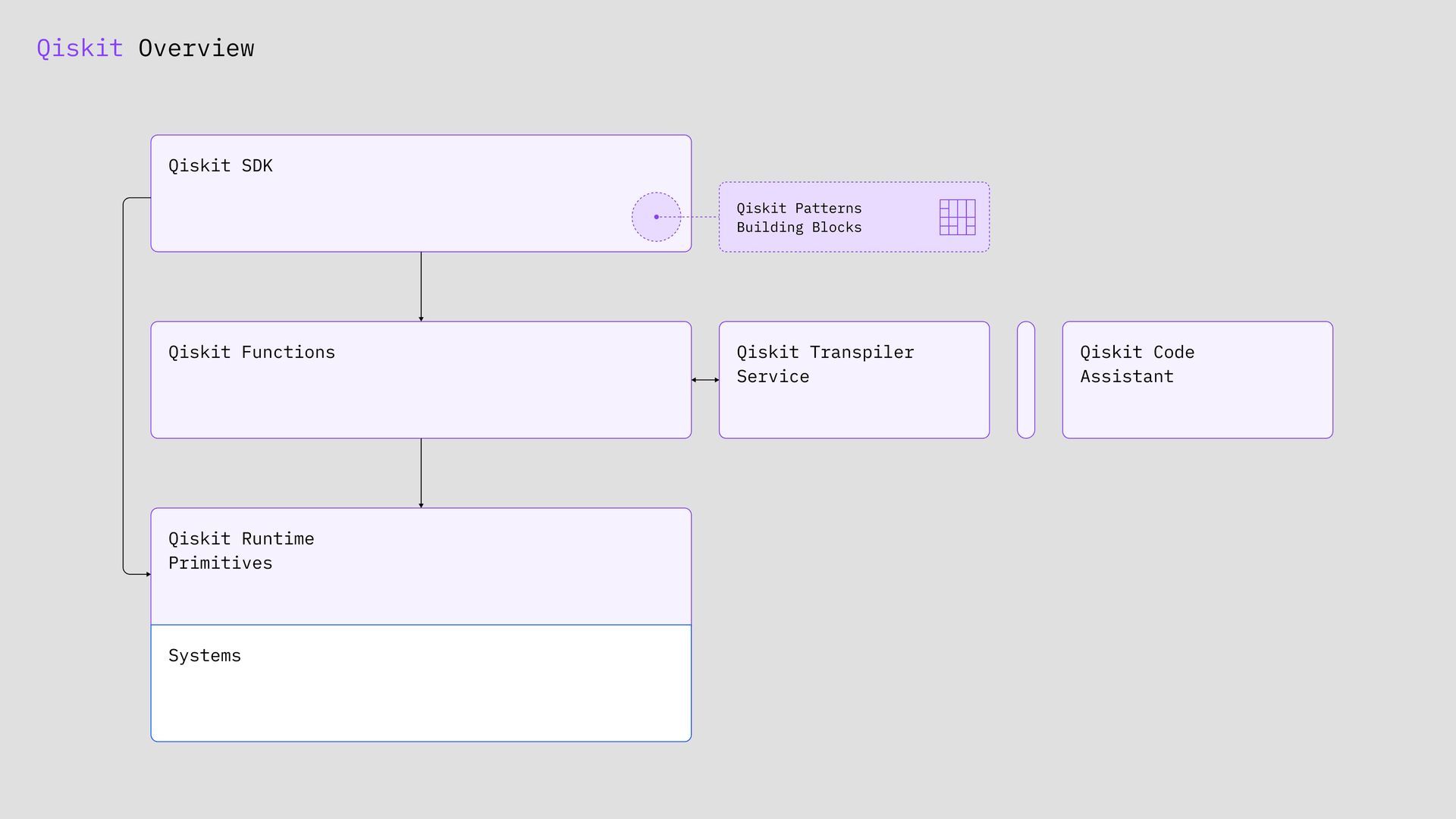
Qiskit 1.0 is a culmination of IBM’s seven-year journey in quantum computing software, building on the initial Qiskit software development kit tools. It represents an expansion into a comprehensive quantum computing software stack, which includes services that highlight the ongoing role of classical computers in the quantum era and the potential of new generative AI technology to assist in programming quantum computers.
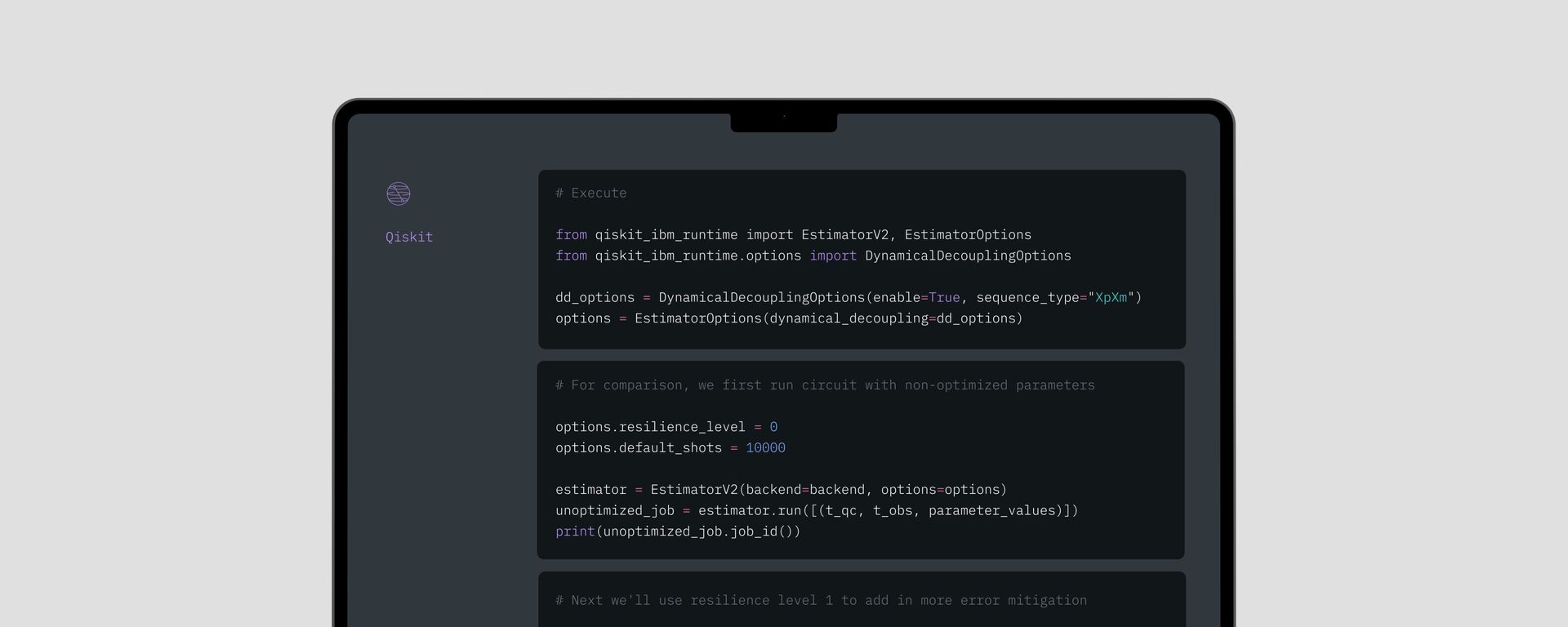
Jerry Chow, IBM Fellow and Director of Quantum Systems and Runtime Technology at IBM, emphasized during the Qiskit 1.0 launch briefing that the platform has gained over 600,000 users since its debut in 2017. Initially created to support early quantum computing developers and researchers with IBM’s then-new 5-qubit processor, accessible via the cloud, the platform has seen substantial growth. According to Chow, these users “have run over three trillion circuits on IBM Quantum computers using Qiskit. Researchers have published nearly 2,900 research papers with Qiskit and IBM systems, and over 700 universities around the world have developed quantum computing classes using Qiskit. It has become the preferred open source software development kit for 69% of respondents to the Unitary Fund’s 2023 Open Source Software Survey,” as detailed in a related blog post.
The features included in this version encompass fundamental capabilities like building and optimizing quantum circuits. However, Chow and other IBM representatives highlighted several key advancements, such as:
- AI-driven optimization of quantum circuits for hardware, integrated within the Qiskit Transpiler Service.
- Streamlined execution modes for the Qiskit Runtime Service, which can be customized for efficient execution of quantum circuits on quantum hardware.
- The Qiskit Code Assistant, leveraging watsonx-based generative AI models to automate quantum code development.
- The Qiskit Serverless open-source tool, designed to manage quantum-centric supercomputing tasks across both quantum hardware and classical clusters.
Blake Johnson, IBM Distinguished Research Scientist and Quantum Engine Lead, emphasized the impact of AI-driven programming. “The transpiler service with AI instruction approaches is giving us about a 20% to 25% benefit… in terms of producing circuits with fewer total instructions as well as less, doing them in less time, allowing us to execute jobs faster,” he said.
Chow also noted IBM’s experiments with AI-enhanced transpilation methods based on reinforcement learning. “Already this exploration is yielding promising results, with a reduction in both the number of two-qubit gates and circuit depth on a variety of benchmark circuits,” he explained. “We are making these advanced transpilation capabilities available to our Premium users with the beta release of the Qiskit Transpiler Service.”
Additionally, the Qiskit Serverless capabilities are arriving at a crucial moment, as quantum simulations continue to run on classical computers, and quantum computers are sometimes paired with classical supercomputers for enhanced performance.
As IBM’s primary quantum computing software toolkit, Qiskit needs to excel in multiple areas. “It needs to leverage advanced classical and quantum computation,” Chow remarked. “It also needs to be able to optimize a problem for efficient execution on a quantum system, and then actually execute the quantum circuits on the actual real systems. We’ve been developing a lot of these tools over the past few years and now it’s really coming together to comprise this much larger Qiskit software stack.”
Featured image credit: Denny Müller/Unsplash