
Dataconomy
  • News
    • Artificial Intelligence
    • Cybersecurity
    • DeFi & Blockchain
    • Finance
    • Gaming
    • Startups
    • Tech
  • Industry
  • Research
  • Resources
    • Articles
    • Guides
    • Case Studies
    • Whitepapers
  • AI toolsNEW
  • Newsletter
  • + More
    • Glossary
    • Conversations
    • Events
    • About
      • About
      • Contact
      • Imprint
      • Legal & Privacy
      • Partner With Us
Subscribe
No Result
View All Result
  • AI
  • Tech
  • Cybersecurity
  • Finance
  • DeFi & Blockchain
  • Startups
  • Gaming
Dataconomy
  • News
    • Artificial Intelligence
    • Cybersecurity
    • DeFi & Blockchain
    • Finance
    • Gaming
    • Startups
    • Tech
  • Industry
  • Research
  • Resources
    • Articles
    • Guides
    • Case Studies
    • Whitepapers
  • AI toolsNEW
  • Newsletter
  • + More
    • Glossary
    • Conversations
    • Events
    • About
      • About
      • Contact
      • Imprint
      • Legal & Privacy
      • Partner With Us
Subscribe
No Result
View All Result
Dataconomy
No Result
View All Result

EU employers shouldn’t miss the workplace digitization opportunity

byKerem Gülen
April 29, 2022
in Industry, News, Tech
Home Industry
Share on FacebookShare on TwitterShare on LinkedInShare on WhatsAppShare on e-mail

Pre-pandemic, many people had negative perceptions of workplace digitization, but even though hybrid work has prompted a shift among workers wanting to simplify their operations, only a tenth of them have access to automation tools.

Hybrid working requires clean workplace digitization strategies

Hybrid working is quickly becoming the norm for businesses looking to set up operations in the post-Covid era, according to research from Ricoh Europe. Employers are ignoring employee demands to digitize manual procedures and update office spaces.

The study was conducted by Opinium, they interviewed 3,000 office employees across France, Germany, Spain, Italy, the Netherlands, the United Kingdom, and Ireland.

Stay Ahead of the Curve!

Don't miss out on the latest insights, trends, and analysis in the world of data, technology, and startups. Subscribe to our newsletter and get exclusive content delivered straight to your inbox.

The overall conclusion was that most European workers now feel workplace digitasation improves their job, as administrative burden, a lack of office scheduling systems, and poor workflow technology stifle employee experience.

Pre-pandemic, many people had negative perceptions of workplace digitization, but even though hybrid work has prompted a shift among workers wanting to simplify their operations, only a tenth of them have access to automation tools.
Developing strategies to make this workplace digitization process simple is critical.

Despite this, only 11 percent of office employees had access to workflow automation tools now, while 44 percent claimed no change in their firm’s investment in tools to automate activities or processes over the past year. Despite that, more than 69 percent of respondents said automating processes made their job better. This is a significant shift from pre-pandemic scepticism toward workplace digitization, according to Ricoh.

Employers that want to improve the employee experience and productivity by automating complicated and routine tasks and procedures may benefit from hybrid working, but they run the risk of missing out if they don’t use the tools and techniques that can make it successful.

49 percent of workers said they would be more productive if their administrative burden was reduced. However, 42 percent of the participants felt confused about the number of technology platforms they were supposed to utilize, and many said these extra tools actually add to their workload rather than simplify it. This indicated that corporations should take a consultative approach when selecting technology and systems that are appropriate for their workers, according to the poll.

With employers attempting to get employees back into the workplace, developing strategies to make this workplace digitization process simple is critical.
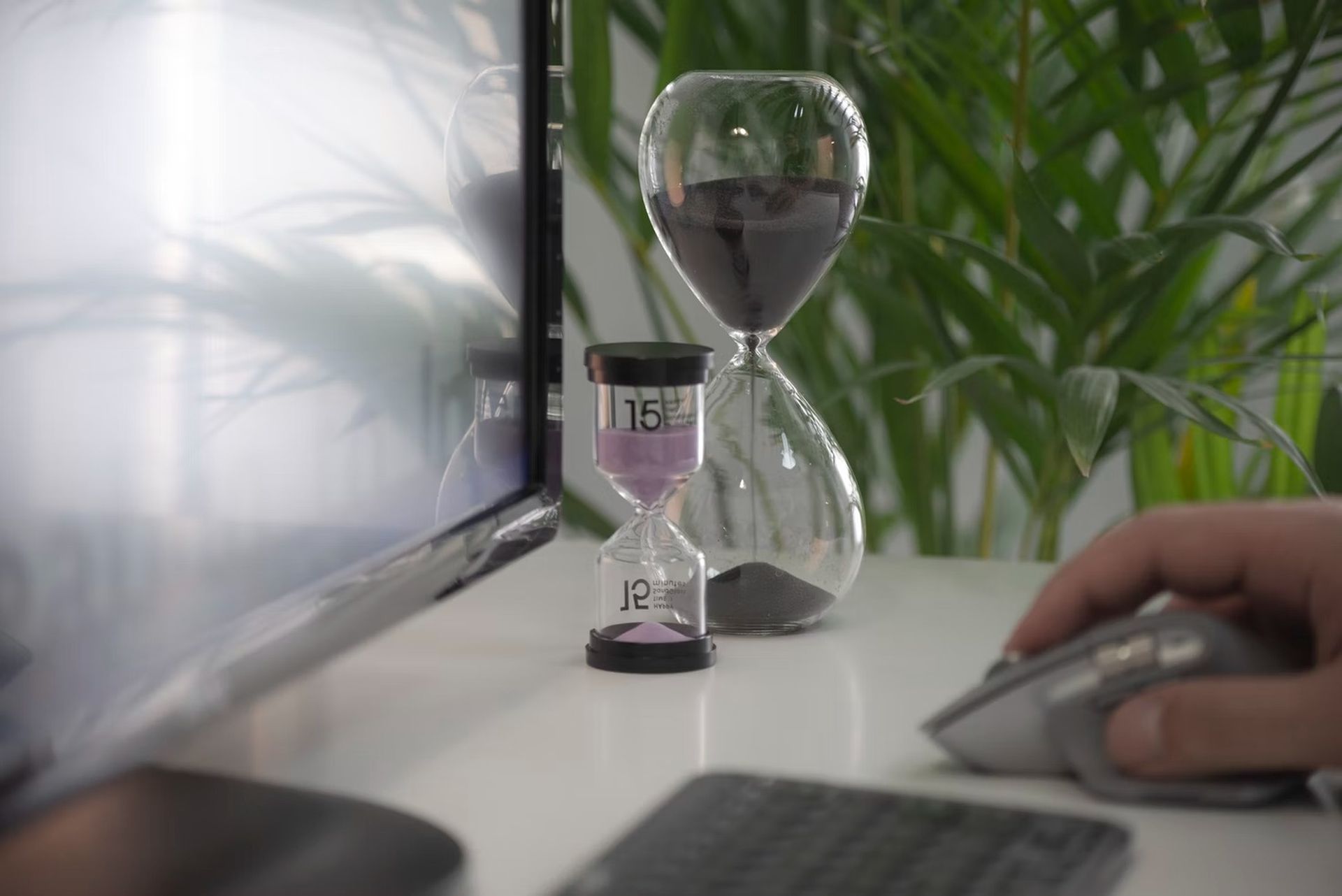
Pre-pandemic, many people had negative perceptions of workplace digitization, but even though hybrid work has prompted a shift among workers wanting to simplify their operations, only a tenth of them have access to automation tools.
Some workers said they would be more productive if their administrative burden was reduced.

However, 54 percent of European office employees believe that the amount invested in desk and room booking systems has not altered.

A lack of, or an overly complex desk booking system, may result in employees showing up to the office without having a suitable workstation. This naturally leads to a poor experience and a disincentive to return to the physical workplace.

“Gone are the days where employees felt concerned about their roles being ‘replaced’ by automation,” said Ricoh Europe CEO Nicola Downing. “The value of technology and automation, when implemented effectively, is widely seen to free up time to work on more valuable activities. Ultimately, if employers fail to weave automation into their long-term hybrid working strategies, they could be missing an important opportunity to improve operations while boosting morale and productivity across the entire workforce,” she added.


Tags: Business

Related Posts

Xbox Developer Direct returns January 22 with Fable and Forza Horizon 6

Xbox Developer Direct returns January 22 with Fable and Forza Horizon 6

January 9, 2026
Dell debuts disaggregated infrastructure for modern data centers

Dell debuts disaggregated infrastructure for modern data centers

January 9, 2026
TikTok scores partnership with FIFA for World Cup highlights

TikTok scores partnership with FIFA for World Cup highlights

January 9, 2026
EU and UK eye investigations into X over Grok’s lack of safeguards

EU and UK eye investigations into X over Grok’s lack of safeguards

January 9, 2026
YouTube now lets you hide Shorts in search results

YouTube now lets you hide Shorts in search results

January 9, 2026
Global memory chip shortage to drive up tech prices in 2026

Global memory chip shortage to drive up tech prices in 2026

January 9, 2026
Please login to join discussion

LATEST NEWS

Xbox Developer Direct returns January 22 with Fable and Forza Horizon 6

Dell debuts disaggregated infrastructure for modern data centers

TikTok scores partnership with FIFA for World Cup highlights

YouTube now lets you hide Shorts in search results

Google transforms Gmail with AI Inbox and natural language search

Disney+ to launch TikTok-style short-form video feed in the US

Dataconomy

COPYRIGHT © DATACONOMY MEDIA GMBH, ALL RIGHTS RESERVED.

  • About
  • Imprint
  • Contact
  • Legal & Privacy

Follow Us

  • News
    • Artificial Intelligence
    • Cybersecurity
    • DeFi & Blockchain
    • Finance
    • Gaming
    • Startups
    • Tech
  • Industry
  • Research
  • Resources
    • Articles
    • Guides
    • Case Studies
    • Whitepapers
  • AI tools
  • Newsletter
  • + More
    • Glossary
    • Conversations
    • Events
    • About
      • About
      • Contact
      • Imprint
      • Legal & Privacy
      • Partner With Us
No Result
View All Result
Subscribe

This website uses cookies. By continuing to use this website you are giving consent to cookies being used. Visit our Privacy Policy.