Dataconomy
  • News
    • Artificial Intelligence
    • Cybersecurity
    • DeFi & Blockchain
    • Finance
    • Gaming
    • Startups
    • Tech
  • Industry
  • Research
  • Resources
    • Articles
    • Guides
    • Case Studies
    • Whitepapers
  • AI toolsNEW
  • Newsletter
  • + More
    • Glossary
    • Conversations
    • Events
    • About
      • About
      • Contact
      • Imprint
      • Legal & Privacy
      • Partner With Us
Subscribe
No Result
View All Result
  • AI
  • Tech
  • Cybersecurity
  • Finance
  • DeFi & Blockchain
  • Startups
  • Gaming
Dataconomy
  • News
    • Artificial Intelligence
    • Cybersecurity
    • DeFi & Blockchain
    • Finance
    • Gaming
    • Startups
    • Tech
  • Industry
  • Research
  • Resources
    • Articles
    • Guides
    • Case Studies
    • Whitepapers
  • AI toolsNEW
  • Newsletter
  • + More
    • Glossary
    • Conversations
    • Events
    • About
      • About
      • Contact
      • Imprint
      • Legal & Privacy
      • Partner With Us
Subscribe
No Result
View All Result
Dataconomy
No Result
View All Result

This SpaceX failure caused the second stage to fail

byEray Eliaçık
July 12, 2024
in News
Home News
Share on FacebookShare on TwitterShare on LinkedInShare on WhatsAppShare on e-mail

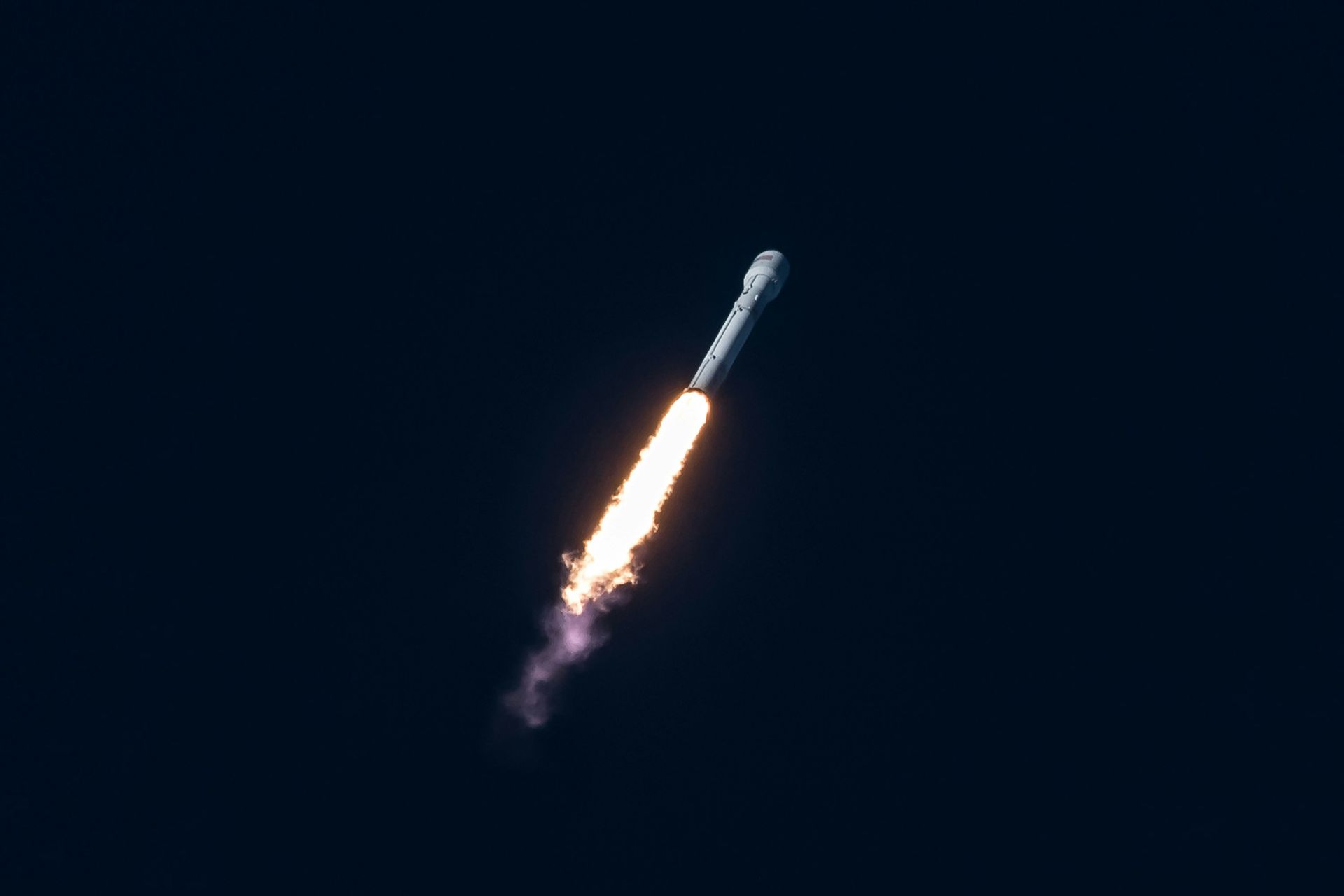
This SpaceX failure will cause trouble for Elon Musk. SpaceX encountered a notable setback during the Starlink 9-3 mission launched from Vandenberg Space Force Base. The mission aimed to deploy 20 Starlink satellites, crucial for expanding global internet coverage but faced unexpected challenges during the rocket’s second-stage burn.

This incident marks SpaceX’s first in-flight failure of a Falcon 9 rocket since 2015, highlighting the inherent risks and complexities of space missions. Previous incidents, such as the 2015 Dragon cargo resupply mission failure and the 2016 launch pad explosion, underscore the challenges of maintaining reliability in spaceflight operations.

How did the SpaceX failure happen?

The Starlink 9-3 mission commenced as scheduled at 7:35 p.m. PDT, with the Falcon 9 rocket lifting off effectively. Initial phases of the mission appeared nominal as the rocket ascended towards orbit.
Stay Ahead of the Curve!

Don't miss out on the latest insights, trends, and analysis in the world of data, technology, and startups. Subscribe to our newsletter and get exclusive content delivered straight to your inbox.

This SpaceX failure will cause trouble for Elon Musk. SpaceX encountered a notable setback during the Starlink 9-3 mission launched. Explore now!
The SpaceX failure occurred during the Starlink 9-3 mission when an unexpected engine disassembly happened (Credit)

Approximately 52 minutes into the mission, during the critical burn of Falcon 9’s second stage, unusual ice accumulation around the Merlin Vacuum engine was detected. This buildup was visible in camera views from the rocket and raised concerns among mission controllers.

Soon after, SpaceX founder Elon Musk confirmed via social media that an “engine RUD,” or Rapid Unscheduled Disassembly, had occurred. This term is typically used to describe a catastrophic failure of the rocket’s engine system. Engineers are investigating the root cause of the SpaceX failure, which involved unusual ice buildup around the Merlin Vacuum engine.

We’re updating satellite software to run the ion thrusters at their equivalent of warp 9.

Unlike a Star Trek episode, this will probably not work, but it’s worth a shot.

The satellite thrusters need to raise orbit faster than atmospheric drag pulls them down or they burn up.

— Elon Musk (@elonmusk) July 12, 2024

Payload deployment and orbital challenge

Despite this SpaceX engine failure, the Falcon 9 successfully deployed the batch of 20 Starlink satellites into orbit. However, due to the anomaly during the second stage burn, the satellites were deployed into a lower-than-planned orbit. Initial estimates suggested a perigee (lowest point in orbit) of approximately 138 km, significantly lower than the intended 286 km. This lower orbit poses risks, as atmospheric drag could potentially pull the satellites down prematurely if their orbits are not adjusted promptly.

Following the deployment, SpaceX initiated contact with the deployed satellites. As of the latest updates, communication has been established with five of the satellites. However, the challenge remains to raise their orbits to ensure long-term operational stability. Elon Musk mentioned potential software updates to optimize the use of ion thrusters onboard the satellites, a crucial step to counteract the effects of atmospheric drag and stabilize their orbits.

Stay tuned for further updates as SpaceX engineers work towards resolving the implications of the Starlink 9-3 mission anomaly and restoring full functionality to the deployed satellites.


Featured image credit: SpaceX/Pexels
Tags: Elon MuskSpaceXtrends

Related Posts

Dell fixes the XPS: Physical keys return in new 14 and 16 models

Dell fixes the XPS: Physical keys return in new 14 and 16 models

January 13, 2026
Zuckerberg launches Meta Compute to build massive AI energy grid

Zuckerberg launches Meta Compute to build massive AI energy grid

January 13, 2026
Official: Google Gemini will power Apple Intelligence and Siri

Official: Google Gemini will power Apple Intelligence and Siri

January 13, 2026
Amazon: 97% of our devices are ready for Alexa+

Amazon: 97% of our devices are ready for Alexa+

January 13, 2026
Anthropic’s Cowork brings developer-grade AI agents to non-coders

Anthropic’s Cowork brings developer-grade AI agents to non-coders

January 13, 2026
Xiaomi eyes total independence with new chip and OS

Xiaomi eyes total independence with new chip and OS

January 12, 2026

LATEST NEWS

Dell fixes the XPS: Physical keys return in new 14 and 16 models

Zuckerberg launches Meta Compute to build massive AI energy grid

Official: Google Gemini will power Apple Intelligence and Siri

Amazon: 97% of our devices are ready for Alexa+

Anthropic’s Cowork brings developer-grade AI agents to non-coders

Xiaomi eyes total independence with new chip and OS

Dataconomy

COPYRIGHT © DATACONOMY MEDIA GMBH, ALL RIGHTS RESERVED.

  • About
  • Imprint
  • Contact
  • Legal & Privacy

Follow Us

  • News
    • Artificial Intelligence
    • Cybersecurity
    • DeFi & Blockchain
    • Finance
    • Gaming
    • Startups
    • Tech
  • Industry
  • Research
  • Resources
    • Articles
    • Guides
    • Case Studies
    • Whitepapers
  • AI tools
  • Newsletter
  • + More
    • Glossary
    • Conversations
    • Events
    • About
      • About
      • Contact
      • Imprint
      • Legal & Privacy
      • Partner With Us
No Result
View All Result
Subscribe

This website uses cookies. By continuing to use this website you are giving consent to cookies being used. Visit our Privacy Policy.