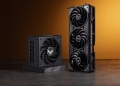
American chipmakers Nvidia and Advanced Micro Devices plan limited sales of advanced AI chips to China following President Donald Trump’s December 8, 2023, announcement permitting exports of Nvidia’s H200 chips in exchange for a 25 percent fee, reversing the Biden administration’s ban imposed over national security concerns.
Trump specified that the policy extends to other chipmakers, including AMD and Intel. He stated on Truth Social that he informed Chinese President Xi Jinping of the decision, adding that Xi responded positively. This arrangement marks a reversal of restrictions in place for more than two years, during which advanced AI chip sales to China were prohibited.
AMD CEO Lisa Su confirmed in December 2023 that her company had secured export licenses and stood ready to pay a 15 percent fee to the U.S. government on approved sales. The licenses enable AMD to proceed with transactions compliant with the new policy framework established under the Trump administration.
Nvidia has notified Chinese clients of its intention to start shipping H200 AI chips before the Lunar New Year in mid-February 2026. Three sources familiar with the matter shared this information with Reuters. The initial shipments will draw from existing stock, totaling 5,000 to 10,000 chip modules. Each module contains multiple chips, making the volume equivalent to approximately 40,000 to 80,000 individual H200 chips.
Separately, Alibaba is evaluating a purchase of 40,000 to 50,000 MI308 AI accelerators from AMD, as reported by MLex. The MI308 serves as a China-specific product engineered to adhere to U.S. export regulations. It delivers substantial performance capabilities tailored for large-scale AI training and inference workloads.
Chinese regulators have conducted meetings with major technology firms, such as Alibaba, ByteDance, and Tencent, to evaluate demand for these incoming chips.
One proposal on the table mandates that each H200 purchase include a specific ratio of domestically produced chips. Buyers could face an approval process requiring them to justify why local alternatives fail to meet their requirements, according to the Financial Times. Beijing contemplates restricting access to the H200 to limited quantities only.
A source remarked to Reuters, “The whole plan is contingent on government approval.” The same source added, “Nothing is certain until we get the official go-ahead.” These statements underscore the pending nature of any transactions.
Chinese officials express concern that permitting imports of advanced U.S. chips could hinder development within the nation’s domestic AI chip sector. Should the deals proceed, Chinese AI developers would access computing power far exceeding current local options. The H200 offers performance nearly six times greater than the H20, the most advanced chip previously approved for export to China.