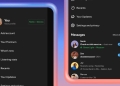
OpenAI released GPT Image 1.5, a new version of ChatGPT Images, on Tuesday to all ChatGPT users and via API, offering improved instruction-following, precise editing, and four times faster generation speeds to counter Google’s AI advances following CEO Sam Altman’s leaked “code red” memo.
GPT Image 1.5 builds on the company’s prior image model, GPT Image 1, which launched in April. This update arrives as image and video generators transition from prototypes to production-ready tools capable of handling complex, real-world applications. The model introduces post-production features that enable granular control over edits, preserving visual consistency in areas such as facial likeness, lighting, composition, and color tone. These capabilities directly align with those in Google’s Nano Banana Pro, the latest iteration of its image generator that has gained widespread attention.
The release stems from competitive pressures outlined in Altman’s internal memo leaked last month. In it, he declared a “code red” and specified OpenAI’s strategies to reclaim leadership in AI after Google captured market share. Google’s Gemini 3, its flagship model, and Nano Banana Pro both ascended to the top of the LMArena leaderboard across various benchmarks, surpassing previous frontrunners. OpenAI accelerated its timeline for this image generator, originally slated for early January, to respond more urgently.
Google retains its position at the forefront even after OpenAI launched GPT-5.2 last week. OpenAI presented GPT-5.2 as its most advanced model to date, tailored for developers and everyday professionals. Despite this effort, Google’s models continue to dominate key performance metrics on platforms like LMArena.
Demonstrations of GPT Image 1.5 highlight its enhanced instruction-following. Users can request targeted modifications, such as “adjust the facial expression” or “make lighting colder,” and the model applies these changes without reinterpreting or altering the entire image. This precision addresses a common limitation in generative AI image tools, where iterative edits often result in inconsistent outputs that deviate from the original intent.
Video: OpenAI
Access to the new generator occurs through a dedicated entry point in the ChatGPT sidebar. Fidji Simo, OpenAI’s CEO of applications, described this interface in a Tuesday blog post as functioning “more like a creative studio.” She stated, “The new image viewing and editing screens make it easier to create images that match your vision or get inspiration from trending prompts and preset filters.”
OpenAI simultaneously rolled out enhancements to integrate more visual elements into the ChatGPT experience. Search queries now display additional visuals accompanied by clear sources, supporting practical tasks like converting measurements or verifying sports scores. Simo explained the rationale: “When you’re creating, you should be able to see and shape the thing you’re making. When visuals tell a story better than words alone, ChatGPT should include them.” She added, “When you need a quick answer or the next step lives in another tool, it should be right there. As we do this, we can keep closing the distance between what’s in your mind and your ability to bring it to life.”