
As businesses evolve and grow, keeping every member informed becomes critical. An all-hands meeting, sometimes known simply as a company-wide meeting, is one of the most effective ways to achieve this. Planning such a meeting can be quite tricky. There are now multiple tools that can be used to prepare for an all-hands meeting. If you check out this source, you can find an example of a tool that helps with visual planning and project management.
In essence, it’s a gathering where everyone in the organization comes together—whether in person or virtually—for updates, discussions, and shared alignment on the company’s goals, performance, and vision.
 The purpose of all-hands meetings
It creates an open platform where leadership can share updates on business performance, upcoming projects, challenges, and overall company direction. The objectives of these meetings can vary depending on the organization’s size, industry, and current goals. However, some key purposes generally include:
- Building trust and transparency: Leadership teams often use these meetings to provide updates on the company’s financial health, upcoming strategies, and significant projects in the pipeline.
- Encouraging alignment: All-hands meetings help ensure that every team member, from entry-level employees to top executives, is aligned with the company’s mission and goals.
- Enhancing company culture: These meetings can serve as a celebration of achievements, where employees are recognized for their contributions. This strengthens morale and fosters a sense of belonging across the organization.
- Providing a platform for open communication: All-hands meetings often include a Q&A session, allowing employees to raise questions and engage directly with leadership.
Structure of an effective all-hands meeting
A poorly organized meeting can leave employees feeling disconnected or overwhelmed. To maximize the impact of an all-hands meeting, companies usually follow a structure that balances information sharing with engagement. Here’s a typical structure:
- Introduction and welcoming remarks: Often led by the CEO or a senior leader, the meeting kicks off with a warm welcome, setting the tone and context for the meeting. It’s a chance to recapture everyone’s attention and reset the focus for the session.
- Business updates: This section often includes key performance indicators (KPIs), financial summaries, project updates, and other critical business information. This is an opportunity to be transparent about both wins and challenges.
- Project spotlights and department updates: Specific departments might share updates on ongoing projects. This not only keeps everyone informed but also fosters cross-departmental understanding and collaboration.
- Employee recognition: Recognizing and celebrating the hard work of employees is a vital component. This could involve announcing promotions, milestone anniversaries, or other noteworthy achievements.
- Q&A session: Providing employees with the opportunity to ask questions directly promotes transparency and can help clarify issues or concerns.
- Closing and future outlook: The meeting often concludes with a forward-looking statement, outlining the company’s future goals and any upcoming initiatives. This leaves employees with a clear understanding of what’s expected moving forward.
Unique insights into all-hands meetings
Timing is a crucial component. Holding an all-hands meeting at the wrong time, such as during peak workloads or right after a major setback, can disrupt productivity and morale. Companies typically find a regular cadence, such as monthly or quarterly meetings, to maintain consistency without overwhelming employees.
Numbers and data are vital, but storytelling is where leaders can genuinely inspire. Sharing stories about how the company’s products have positively impacted clients or highlighting personal anecdotes can make these meetings more engaging and relatable.
In a remote or hybrid work environment, technology can play a critical role in fostering engagement during all-hands meetings. Utilizing polls, chat functions, and live Q&A features can make virtual all-hands meetings more interactive.
Common pitfalls and how to avoid them
Overloading the meeting with too much information can overwhelm employees and dilute the key messages. It’s essential to curate the content thoughtfully, focusing on the most critical updates and avoiding unnecessary details that might detract from the main points.
Engagement can also be an issue if the meeting feels like a one-way communication channel. Encouraging participation through interactive elements such as Q&A sessions or recognition of individual contributions helps employees feel more connected. Another pitfall is inconsistent cadence. Holding these meetings too frequently or too rarely can diminish their effectiveness.
Comparison of in-person vs. Virtual all-hands meetings
| Aspect | In-Person All-Hands Meetings | Virtual All-Hands Meetings |
| Audience Engagement | Higher face-to-face interaction | Relies on technology for engagement |
| Logistics | Requires physical space and setup | Easier to organize across time zones |
| Cost | Higher due to travel and facilities | Lower, especially for remote teams |
| Interaction | More personal and spontaneous | Structured, often via chat or Q&A tools |
| Challenges | Scheduling conflicts for large teams | Potential technical issues, internet lags |
Best practices for running an all-hands meeting
A properly structured agenda keeps the meeting on track and addresses all essential subjects. This planning also helps avoid distractions and prevents the meeting from extending longer than needed.
Every employee, regardless of their role or department, should feel like a valued part of the conversation. This can be achieved through recognition of individual achievements and encouraging input from different parts of the organization.
Discussing challenges as openly as successes builds trust within the company and reassures employees that leadership is committed to honesty. Clear objectives are another important aspect; knowing exactly what you want to achieve with the meeting helps keep it focused and impactful.
 Conclusion
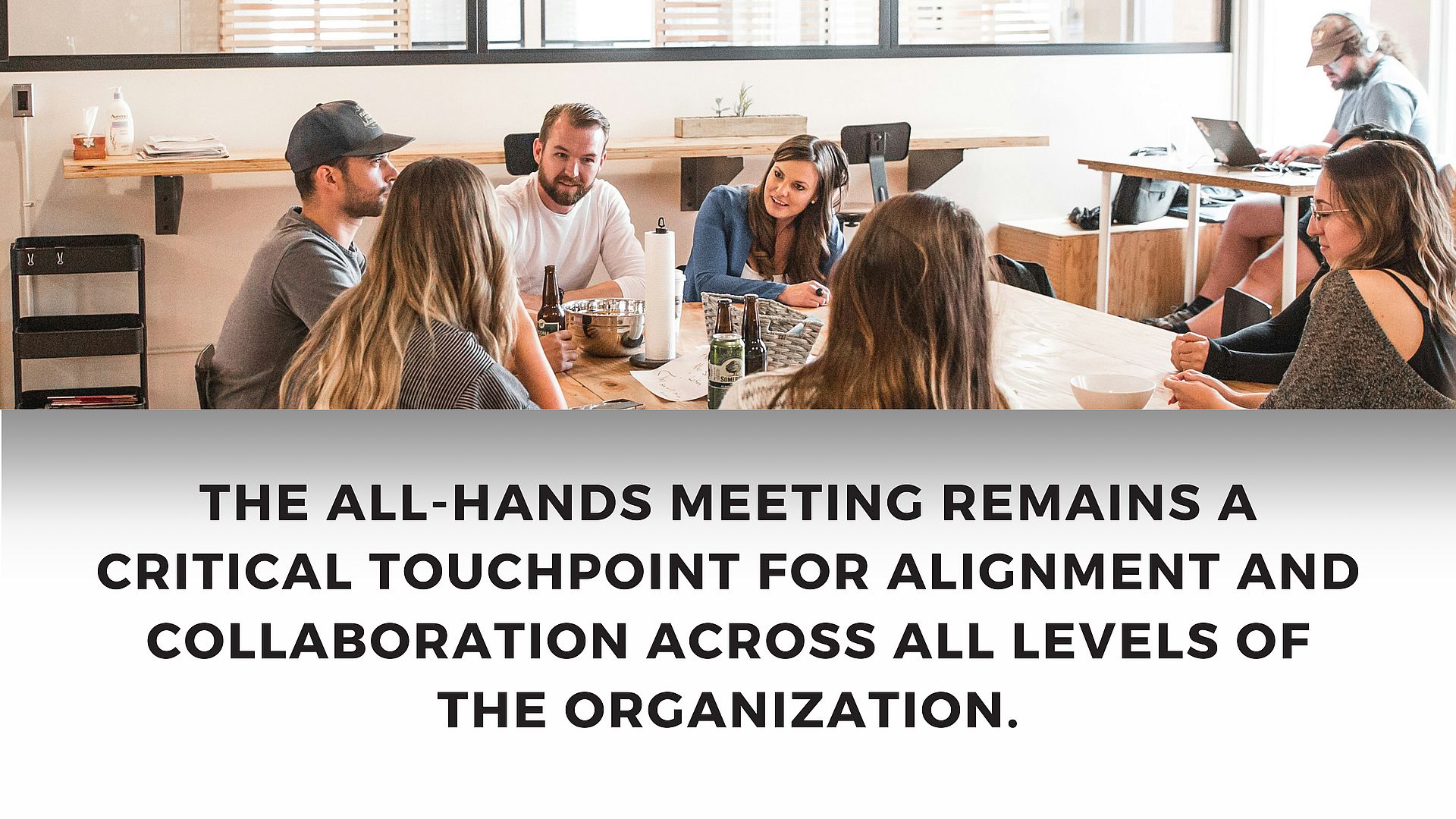
All-hands meetings, when done correctly, are more than just an organizational requirement—they’re an opportunity to unite, inspire, and engage. With the right structure, these meetings can foster transparency, reinforce company culture, and empower employees by making them feel included.
Featured image credit: fauxels/Pexels